
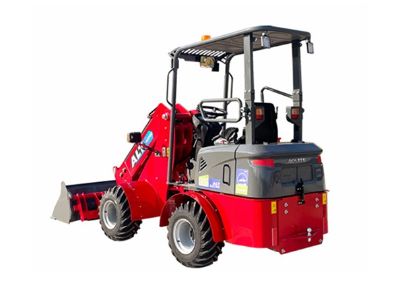
A compact wheel loader that fits narrow streets and low clearance spaces is an essential asset for businesses operating in urban environments. These versatile machines are designed to maneuver in tight spaces while providing powerful lifting and loading capabilities. B2B buyers, including purchasing managers, engineers, and product managers, often seek reliable equipment that maximizes efficiency and minimizes operational challenges. This article will delve into key considerations for sourcing, purchasing, and utilizing compact wheel loader, ensuring buyers are well-informed to make the best decision for their needs.
Wholesale Purchasing Options for Compact Wheel Loaders Explained
When considering wholesale purchasing options for compact wheel loaders, buyers should assess various factors, including bulk pricing, delivery terms, and minimum order quantities (MOQ). Manufacturers like Qingzhou Yingnuo Heavy Industry Co., Ltd. offer competitive pricing on bulk orders, which can significantly reduce costs per unit. It is essential to establish clear communications about the desired models, specifications, and any customization requirements prior to placing an order. Additionally, inquire about available warranties and after-sales service, as these can impact long-term satisfaction and operational efficiency.
Buyers should also consider the payment terms and financing options available through suppliers. Establishing a relationship with a manufacturer who understands the specific challenges of your industry can lead to better support and tailored solutions. As part of the purchasing process, be prepared to provide details such as expected usage, required performance levels, and delivery timelines to facilitate a smooth transaction.
Where to Source Reliable Compact Wheel Loaders for Your Business?
Finding reliable compact wheel loaders can be achieved through several channels. Reputable manufacturers, like Qingzhou Yingnuo Heavy Industry Co., Ltd., showcase their products through trade shows, industry publications, and online marketplaces. When sourcing, prioritize manufacturers with a proven track record of quality and customer satisfaction.
Consider joining industry associations or networks that can provide insights and recommendations on trusted suppliers. Conduct thorough research on potential vendors, including reviewing online testimonials, case studies, and performance ratings. Engaging with current users of their compact wheel loader machines can also provide valuable firsthand insights into reliability and service quality.
In addition to manufacturers, distributors can serve as a valuable resource, especially for localized service and support. They often have a deep understanding of the products and can assist in identifying the best models based on specific application needs. Ensure that any distributor you consider has a robust support network and can provide after-sales service.
Cost Factors When Buying Compact Wheel Loaders for Small Sites
When purchasing compact wheel loaders, several cost factors must be taken into account. The initial purchase price is just one aspect; operating costs, maintenance, and potential downtime should also be factored into the total cost of ownership. Buyers should evaluate the following:
Initial Cost: Understand the base price for the desired model and any additional features or attachments.
Operating Expenses: Consider fuel efficiency and the type of power source, diesel or electric as this will impact long-term costs.
Maintenance Requirements: Investigate the manufacturer's recommended maintenance schedule and the associated costs. Machines with easier access to parts and service points can reduce downtime and maintenance expenses.
Financing Options: Explore financing plans that may offer lower upfront costs, but ensure to calculate the total cost over the financing period.
Resale Value: Some models retain their value better than others. Research market trends to understand which models may offer better resale opportunities in the future.
By carefully assessing these factors, buyers can make informed decisions that align with their budgetary constraints and operational needs.
Applications of Compact Wheel Loaders in Urban Areas
Compact wheel loaders are particularly suited for urban applications where space is limited. Their design allows them to navigate narrow streets and fit into low clearance spaces, making them ideal for construction sites, landscaping projects, and municipal services. Common applications include:
Construction: Compact wheel loaders can transport materials, load trucks, and perform site clean-up tasks in congested areas.
Landscaping: They are used for tasks such as soil moving, debris removal, and grading, where agility and size are crucial.
Municipal Work: These machines are often employed for snow removal, street cleaning, and maintaining public parks because they can easily maneuver around obstacles.
Understanding the specific requirements of these applications can help buyers select the right electric wheel loader model with the appropriate attachments, such as forks, buckets, or snowplows, to enhance functionality.
Features That Matter for Buyers
When evaluating compact wheel loaders, certain features stand out as critical for ensuring operational efficiency and user satisfaction:
Size and Maneuverability: Compact dimensions allow for easy navigation in tight urban spaces. Buyers should assess the machine's overall size, turning radius, and weight to ensure compatibility with their working environment.
Power and Performance: The loader's engine power and hydraulic capabilities are vital for heavy lifting and efficient operation. Review technical specifications to ensure the model can handle the intended loads and tasks.
Ease of Operation: Features such as ergonomic controls, visibility from the operator's seat, and intuitive operation can significantly impact productivity. Test drives or demonstrations can provide valuable insights into user experience.
Durability and Build Quality: Compact wheel loaders are exposed to various environmental conditions. Look for robust construction, high-quality materials, and reliable warranties that indicate the manufacturer's confidence in their product.
Customization Options: Many manufacturers offer customization options to tailor the loader to specific needs. Consider whether additional attachments or modifications can enhance functionality for your particular applications.
By focusing on these key features, buyers can select a compact wheel loader that meets their operational demands while optimizing efficiency and reducing potential issues down the line.
 Consult