
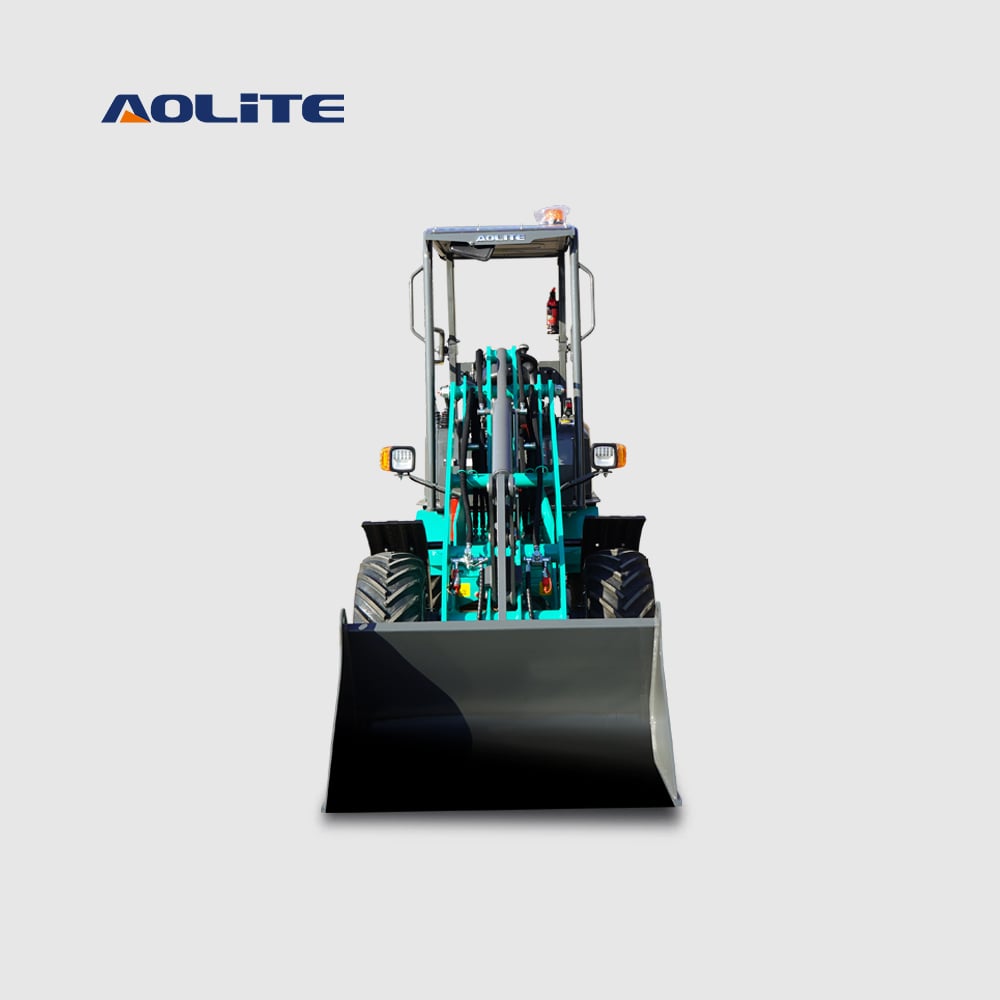
Electric wheel loaders are essential tools in various industries, particularly for operations involving tight yard spaces and light material handling. Sizing an electric wheel loader for these environments involves careful consideration of several factors to ensure optimal performance and efficiency. Buyers often face challenges such as selecting the right model, understanding key specifications, and evaluating supplier reliability. This article will guide you through the critical aspects of choosing, sizing, and installing an electric wheel loader that meets your specific operational needs.
Choosing the Right Electric Wheel Loader for Tight Yard Spaces
When selecting an electric wheel loader for confined areas, the primary concern is maneuverability. Loaders with a compact design, such as those from the AOLITE brand, are often better suited for tight yard spaces. Look for models that feature a shorter wheelbase and a smaller turning radius, which can enhance navigation in limited areas.
Additionally, consider the loader's weight and dimensions. A lighter loader can reduce ground pressure, minimizing damage to landscaping and asphalt surfaces. Electric loaders typically have lower weight profiles compared to diesel counterparts, making them advantageous for yard operations. Ensure that the loader's height and width align with your site constraints, allowing for safe and effective operation.
Lastly, assess the loader's power and battery capacity. A model capable of handling the required load while maintaining efficiency in small spaces is ideal. Understanding your material handling needs be it soil, gravel, or lighter materials will further guide your decision.
Key Specifications to Consider for Electric Wheel Loaders
Understanding key specifications is crucial when sizing an electric wheel loader. Here are the primary specifications to focus on:
Load Capacity: This indicates the maximum weight the loader can handle. Ensure it matches your operational demands to avoid equipment strain or failure.
Lift Height: The maximum height to which the loader can elevate materials is vital, especially in applications requiring vertical loading. Verify that the lift height aligns with your material stacking requirements.
Battery Life and Charging Time: Since electric loaders rely on battery power, knowing the expected operational hours and necessary charging durations is essential. Longer battery life reduces downtime, enhancing productivity.
Motor Power: This affects the loader's performance, particularly in heavy lifting and pushing tasks. A higher horsepower rating translates to better performance under load.
Dimensions: Width, height, and length are critical for fitting into tight spaces. Ensure the loader's dimensions do not exceed your yard's limitations.
Evaluating these specifications against your specific needs will help ensure you choose a loader that performs effectively in your unique environment.
Reliable Suppliers for Electric Loaders
Selecting a reliable supplier is a key step in the purchasing process. Look for suppliers with proven experience in manufacturing electric wheel loader, such as Qingzhou Yingnuo Heavy Industry Co., Ltd., known for its AOLITE brand loaders.
When evaluating suppliers, consider the following factors:
Manufacturing Capabilities: A supplier with advanced manufacturing facilities, such as CNC and robotic welding, ensures high-quality production. This can impact the durability and overall performance of the loaders.
Customer Support: Reliable suppliers provide comprehensive customer support, including training and maintenance resources. This is crucial for ensuring your operators can maximize the loader's capabilities.
Industry Reputation: Research customer reviews and case studies to gauge the supplier's reliability and product performance. A strong reputation can be an indicator of consistent quality and service.
Customization Options: Some suppliers offer customization for specific operational needs, which can enhance the loader's effectiveness in your application.
Choosing a reputable supplier ensures you receive a product that meets your quality expectations and operational requirements.
Where Electric Wheel Loaders Excel in Performance
Electric wheel loaders are particularly advantageous in environments where noise and emissions are concerns. Their quiet operation makes them suitable for urban settings or sites near residential areas, where minimizing disruption is vital.
Additionally, electric loaders excel in indoor applications, such as warehouses and manufacturing facilities. Their lack of exhaust emissions allows for safe operation in enclosed spaces. This is especially important when handling light materials, as the loader's efficiency can enhance productivity without compromising air quality.
Moreover, electric models tend to have lower operating costs compared to diesel loaders. The reduced need for fuel and lower maintenance requirements result in significant long-term savings. As a result, electric loaders are increasingly favored for operations prioritizing sustainability and cost efficiency.
Installation Guidance for Electric Wheel Loaders in Limited Areas
Installing an electric warehouse forklift in tight yard spaces requires careful planning. Here are some key considerations:
Site Preparation: Ensure the installation area is level and free of obstacles. This facilitates safe maneuvering and operation of the loader.
Power Supply: Assess the power requirements for charging the electric loader. Ensure that the charging station is conveniently located and has adequate electrical capacity to support the loader's battery.
Safety Protocols: Establish safety protocols for operating the loader in confined spaces. This includes training operators on safe maneuvering techniques and ensuring proper visibility.
Maintenance Access: Plan for easy access to the loader for routine maintenance. This is crucial for ensuring long-term performance and reliability.
Testing: Before full operation, conduct tests to ensure the loader functions correctly within the space. This helps identify any potential issues that may arise during regular use.
By following these installation guidelines, you can maximize the efficiency and safety of your electric wheel loader in tight yard environments.
Understanding how to size an electric wheel loader for tight yard spaces and light material handling is essential for optimizing performance and efficiency. By considering the right specifications, evaluating reliable suppliers, and following installation guidance, you can make informed purchasing decisions that enhance your operational capabilities.
 Consult