
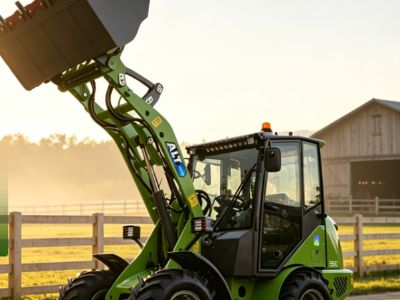
Electric wheel loaders are becoming increasingly popular for indoor and urban applications, offering a quiet and efficient alternative to traditional diesel-powered models. As urban areas grow denser and workspaces become more constrained, the need for machinery that minimizes noise and environmental impact is crucial. This article will explore the benefits of electric wheel loaders, key features to consider when sourcing them, common challenges, and installation guidance, all aimed at helping purchasing managers, engineers, and project managers make informed decisions
The Benefits of Electric Wheel Loaders for Indoor Applications
Electric wheel loaders provide several advantages in indoor settings. Firstly, their quiet operation significantly reduces noise pollution, making them ideal for urban environments and locations where noise restrictions are in place. This feature allows operators to work without disturbing nearby communities or violating local regulations
Secondly, electric loaders produce no exhaust emissions, contributing to a cleaner working environment. This is particularly important in confined spaces where air quality can degrade quickly. Furthermore, electric models typically have lower operating costs due to reduced fuel expenses and less maintenance compared to their diesel counterparts
Lastly, many electric wheel loaders offer advanced technology that enhances operational efficiency. Features like regenerative braking and smart load management can optimize energy use, providing longer operational periods between charges. These factors contribute to lower total cost of ownership, making electric wheel loaders a smart investment for indoor applications
What to Look for in Electric Wheel Loaders
When sourcing Electric loader series, several key specifications and features should be considered. First, look at the battery capacity and charging time. A higher-capacity battery allows for longer operational periods, while faster charging capabilities can minimize downtime. Assessing the loader's operational range is critical to ensure it meets the needs of your specific projects
Next, consider the loader's lifting capacity and hydraulic performance. These specifications will dictate how effectively the loader can handle various materials and tasks. Ensure the loader is designed to meet the requirements of your typical applications, whether that involves moving aggregates, waste, or pallets
Additionally, evaluate the overall build quality and durability. Electric wheel loaders should be constructed from robust materials that can withstand the rigors of industrial use. Features such as reinforced frames and reliable hydraulic systems are essential for long-term performance. Finally, consider the availability of customization options. Tailoring features like attachment compatibility and operational settings to suit your specific needs can provide significant operational advantages
Sourcing Electric Wheel Loaders for Projects
When sourcing Backhoe loader series, it's important to establish clear requirements to facilitate the quotation process. Provide potential suppliers with details such as the intended application, required lifting capacity, and any specific customization needs. This information will help suppliers suggest suitable models and provide accurate pricing
Also, consider the manufacturer's experience and reputation in producing electric wheel loaders. A manufacturer with a strong track record in the industry, like Qingzhou Yingnuo Heavy Industry Co., Ltd., can offer insights into the performance and reliability of their products. Look for manufacturers that can provide documentation on quality control processes, testing results, and certifications that ensure compliance with industry standards
Lastly, inquire about after-sales support and service options. Reliable support can be crucial for maintenance and troubleshooting, ensuring that your equipment remains operational and effective throughout its lifespan
Common Problems with Electric Wheel Loaders and Their Solutions
While electric front end loader offer numerous advantages, they are not without challenges. One common issue is battery performance, which can be affected by environmental conditions and usage patterns. To mitigate this, ensure that the chosen loader has a battery management system in place to optimize charging and discharging cycles
Another concern is the potential for limited availability of charging infrastructure, especially on urban sites. It is advisable to assess the site's power availability and plan for appropriate charging solutions, such as portable charging stations or dedicated charging infrastructure, to avoid operational delays
Additionally, operators may need training to adapt to the differences in handling electric loaders compared to diesel models. Offering comprehensive training sessions can help maximize efficiency and safety, ensuring that the workforce is well-prepared to operate the machinery effectively
Installation Guidance for Electric Wheel Loaders on Urban Sites
Installing electric wheel loaders on urban sites requires careful planning to ensure compliance with local regulations and to address logistical challenges. Begin by assessing the site layout and identifying optimal locations for charging stations. It's essential to ensure that the charging infrastructure is accessible and meets the power requirements of the loaders
Consider the operational footprint of the loader in relation to the site. Electric wheel loaders may require specific maneuvering space, especially if they are equipped with larger attachments. Planning the layout to accommodate this can prevent operational bottlenecks
Lastly, consult with local authorities regarding any permits or regulations that may apply to operating electric machinery in urban areas. Compliance with zoning and environmental regulations will help avoid potential legal issues and contribute to a smoother installation process
By understanding the advantages, specifications, sourcing considerations, common challenges, and installation requirements of electric wheel loaders, purchasing managers and project planners can make informed decisions that lead to successful project outcomes
 Consult