
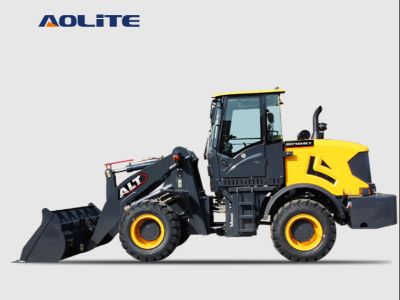
Choosing a compact wheel loader for municipal maintenance and landscaping fleets requires careful consideration of various factors to ensure optimal performance and reliability. Buyers often face challenges such as evaluating specifications, understanding features, and addressing cost factors. This article aims to equip purchasing managers, engineers, and fleet managers with practical insights to make informed decisions when selecting a compact wheel loader, helping them to balance performance with budget constraints.
How to Evaluate Compact Wheel Loaders for Landscaping Projects?
When evaluating compact wheel loaders for landscaping projects, the primary focus should be on the machine's versatility and operational capabilities. Look for models that can handle a range of tasks, such as loading, grading, and transporting materials.
A compact wheel loader should have excellent maneuverability, especially in tight urban environments or on smaller job sites. Consider the turning radius and dimensions of the mini loader to ensure it can navigate effectively around obstacles. Additionally, assess the attachment options available, as versatile attachments can greatly enhance productivity. Popular attachments include buckets, forks, and landscape rakes, which can be switched out depending on the specific task at hand.
Buyers should also evaluate the loader's lifting capacity, as this will determine the types of materials it can handle. Understanding the typical loads for landscaping projects will help in selecting a model that can meet these demands without compromising efficiency.
Key Specifications to Consider in Compact Wheel Loaders
Several key specifications are essential when selecting a compact wheel loader. These include:
Engine Power: The power of the engine directly impacts the loader's performance. Look for models with engines capable of producing sufficient horsepower for your specific tasks while maintaining fuel efficiency.
Operating Weight: This affects stability and load capacity. A higher operating weight can provide better traction but may limit maneuverability in certain applications.
Hydraulic Flow Rate: This specification is crucial for ensuring that attachments operate effectively. A higher flow rate allows for faster operation of hydraulic attachments, enhancing productivity.
Bucket Capacity: Depending on the projects, select a bucket size that maximizes load efficiency without exceeding the loader's lifting capacity.
Dimensions: Compact wheel loaders come in various sizes. It's vital to choose a model that fits well within the operational space available while providing the necessary power and capacity.
Understanding these specifications allows buyers to match the loader's capabilities with their specific landscaping needs, ensuring they select a model that will perform reliably.
Features and Benefits
Compact wheel loaders come equipped with a variety of features that enhance their usability and efficiency in municipal maintenance and landscaping. Key features include:
All-Wheel Drive: This feature improves traction and stability on uneven and soft ground, making it ideal for landscaping applications.
Cab Comfort and Visibility: A spacious cab with good visibility allows operators to work safely and efficiently, minimizing blind spots during operation.
Quick Attach Systems: These systems allow for rapid attachment changes, enabling operators to switch between different tools based on the task at hand, thereby reducing downtime.
Fuel Efficiency: Modern compact wheel loaders are designed with fuel efficiency in mind, which can lead to significant cost savings over time, especially for municipal fleets operating on tight budgets.
Durability: Look for loader models constructed with high-quality materials and robust designs. This ensures longevity and reduces the frequency of repairs, which is crucial for maintaining operational budgets.
The right combination of features can significantly impact the overall effectiveness of the compact front loader in municipal and landscaping applications, ultimately leading to improved productivity.
Understanding the Cost Factors of Compact Wheel Loaders
The cost of compact wheel loaders can vary widely based on several factors. Key considerations include:
Initial Purchase Price: This is often the most significant cost factor. Buyers should compare models from different manufacturers, like Qingzhou Yingnuo Heavy Industry Co., Ltd., to assess price-to-performance ratios.
Operational Costs: Consider fuel consumption, maintenance needs, and expected lifespan. A machine with a higher initial cost may offer better fuel efficiency and lower maintenance expenses, ultimately reducing total cost of ownership.
Financing Options: Many manufacturers offer financing options that can spread the cost over time, making it easier to manage budgets.
Resale Value: Compact wheel loaders with a strong reputation for reliability and durability tend to retain higher resale values. This can be a crucial consideration for municipal fleets that may update equipment regularly.
Insurance and Warranty: Understanding warranty options and potential insurance costs is essential for calculating the overall investment in the machinery.
By carefully evaluating these cost factors, buyers can make more informed decisions regarding their investment in compact wheel loaders.
Common Problems with Compact Wheel Loaders and Solutions
While compact wheel loaders are generally reliable, they can encounter specific issues. Common problems include:
Hydraulic Leaks: Over time, hydraulic seals can wear out, leading to leaks. Regular maintenance and inspections can help identify and rectify these issues before they escalate.
Engine Performance Issues: Clogged fuel filters or air filters can lead to reduced engine performance. Routine servicing and timely filter replacements are essential to maintain optimal engine function.
Tire Wear: Tire wear can be accelerated by improper inflation or operating on rough terrain. Regular checks on tire pressure and condition can help prolong tire life and ensure safe operation.
Electrical Failures: Modern loaders have sophisticated electrical systems. Issues can arise from faulty wiring or connections. Ensuring that operators are trained to recognize warning signs can mitigate these risks.
By being aware of these common problems and implementing proactive maintenance strategies, buyers can enhance the longevity and performance of their compact wheel loaders, ultimately leading to better operational outcomes.
In summary, understanding the specifications, features, cost factors, and potential issues associated with compact wheel loaders is crucial for making informed purchasing decisions. This insights will empower buyers to select the most suitable equipment for their municipal maintenance and landscaping needs.
 Consult