
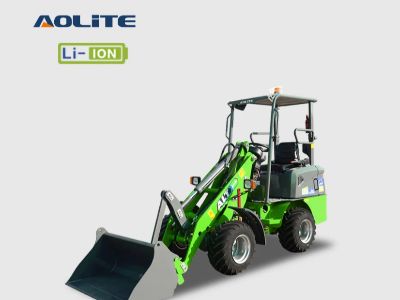
Adding an ALT Electric Loader to a mixed fleet can significantly enhance operational efficiency, especially for companies needing both indoor and outdoor solutions. This article addresses the key considerations B2B buyers face when sourcing an electric loader, including product selection, sourcing reliability, quality evaluation, installation guidance, and troubleshooting common issues. By understanding these factors, purchasing managers and engineers can make informed decisions that optimize their fleet's performance.
Choosing the Right ALT Electric Loader for Your Mixed Fleet
When selecting an ALT Electric Loader to complement your mixed fleet, it is essential to assess several factors that align with your operational needs. Key considerations include the load capacity, battery life, and terrain suitability. For example, if your application involves frequent transitions between indoor and outdoor environments, look for models designed for versatility with features like robust tires and adjustable lifting heights.
Moreover, understanding the technical specifications such as lift height and weight capacity is crucial. An electric loader machine with a higher lift capacity will be more suitable for heavy-duty applications, while a compact model may be better for tight indoor spaces. Compatibility with existing equipment is another factor; ensure that any new loader can seamlessly integrate with your current machinery and logistics processes.
Additionally, consider the total cost of ownership. While electric loaders may have a higher upfront cost compared to diesel models, they often result in lower operational expenses due to reduced fuel costs and maintenance requirements. This is particularly relevant for businesses aiming to enhance sustainability while managing expenses.
Where to Source Reliable Electric Loaders for Wholesale Purchase?
Sourcing reliable ALT Electric Loaders requires a strategic approach to ensure quality and service. Start by identifying reputable manufacturers like Qingzhou Yingnuo Heavy Industry Co., Ltd., known for producing the AOLITE brand. Look for manufacturers with a proven track record in heavy machinery, as their experience often translates into better quality control and product reliability.
Consider attending industry trade shows or exhibitions where manufacturers showcase their latest models. This not only allows you to see the machines in action but also provides a platform for direct interaction with suppliers. Verify potential suppliers' certifications and quality management systems to ensure they adhere to industry standards.
For wholesale purchases, inquire about minimum order quantities (MOQ) and lead times. Understanding these factors will help you plan your procurement strategy effectively. Additionally, establish clear communication with suppliers regarding your specific needs and expectations, including customization options if required.
Evaluating the Quality of ALT Electric Loaders for Indoor and Outdoor Use
Quality evaluation of ALT Electric Loaders involves several critical steps. First, inspect the materials used in construction. High-quality steel and durable components are essential for longevity and performance. Loaders designed for outdoor use, for instance, should feature corrosion-resistant finishes and weatherproofing to withstand various environmental conditions.
Conduct thorough inspections of the loader's features, such as its lifting mechanism, steering system, and battery efficiency. A well-engineered loader will offer smooth operation and reliable performance across different terrains. It is also advisable to request a demonstration of the loader machinery in action, allowing you to assess its maneuverability and responsiveness firsthand.
Furthermore, consider the manufacturer's quality control processes. A reputable manufacturer will have stringent testing protocols in place to ensure that each loader meets specified performance standards before reaching the market. Request documentation of these processes during your supplier evaluation to confirm the reliability of the products.
Installation Guidance for Adding Electric Loaders to Your Fleet
Successfully integrating an ALT Electric Loader into your fleet requires careful planning and execution. Begin by reviewing the manufacturer's installation guidelines, as they provide essential information on setup and safety protocols. Ensure that your site is prepared for the loader's operational requirements, including adequate charging stations and maintenance access.
Before installation, assess the compatibility of the loader with existing equipment and infrastructure. This includes evaluating the loading zones, pathways, and storage areas to ensure seamless operation. For example, if the loader will be used in tight spaces, confirm that its dimensions allow for efficient maneuvering.
Training your operators on the specific features and handling of the electric loader is also crucial. This helps prevent accidents and ensures optimal performance. Consider scheduling training sessions with the supplier to familiarize your team with the loader's controls and maintenance needs.
Common Problems with Electric Loaders and Their Solutions
While electric loaders are generally reliable, some common issues may arise during operation. One frequent concern is battery performance. If the loader experiences reduced run time, it may be due to improper charging practices or battery age. Ensure that the battery is regularly maintained and replaced according to the manufacturer's recommendations.
Another issue could be related to the loader's lifting mechanism. If you notice sluggish lifting or unusual sounds, it may indicate a need for lubrication or inspection of the hydraulic system. Regular maintenance checks can prevent these problems from escalating into costly repairs.
Additionally, operators should be trained to identify early warning signs of mechanical failure, such as vibrations or erratic movement. Addressing these issues promptly can help maintain the loader's performance and extend its lifespan. Establishing a routine maintenance schedule with your supplier or an experienced technician can further minimize operational downtime.
In summary, adding an ALT Electric Loader to a mixed fleet for indoor and outdoor use can enhance operational efficiency and sustainability. By carefully considering product selection, sourcing, quality evaluation, installation, and troubleshooting, businesses can make informed decisions that align with their operational goals.
Table of Contents
- Choosing the Right ALT Electric Loader for Your Mixed Fleet
- Where to Source Reliable Electric Loaders for Wholesale Purchase?
- Evaluating the Quality of ALT Electric Loaders for Indoor and Outdoor Use
- Installation Guidance for Adding Electric Loaders to Your Fleet
- Common Problems with Electric Loaders and Their Solutions
 Consult