ອັດຕາການນຳໃຊ້ເຄື່ອງຂຸດທີ່ຂັບເຄື່ອນດ້ວຍໄຟຟ້າເກີນ 50%! ສິ່ງທີ່ຈະເປັນຈຸດເລີ່ມຕົ້ນສຳລັບເຄື່ອງຂຸດທີ່ຂັບເຄື່ອນດ້ວຍໄຟຟ້າແມ່ນຢູ່ໃສ?
— AOLITE : ຄຳຕອບອາດຢູ່ໃນເຄື່ອງຂຸດຂະໜາດນ້ອຍ.
ອີງຕາມຂໍ້ມູນລ່າສຸດທີ່ຖືກປ່ອຍອອກໂດຍສະຫະພັນເຄື່ອງຈັກການກໍ່ສ້າງຈີນ, ຕະຫຼາດເຄື່ອງຈັກການກໍ່ສ້າງໃນປະເທດຈີນໃນເດືອນກຸມພາປີ 2026 ໄດ້ສະແດງໃຫ້ເຫັນຮູບພາບທີ່ມີຄວາມໄຫວສູງຫຼາຍ:
| ຮຸ່ນ | ໃນປະເທດຈີນ (ໜ່ວຍ) | ການຂາຍລົດໄຟຟ້າ (ໜ່ວຍ) | ອັດຕາການນຳໃຊ້ | ປະສິດທິຜົນປຽບທຽບຕໍ່ປີກ່ອນ |
| Loader | 3,863 | 2016 | 52.19% | ການເຕີບໂຕຢ່າງຕໍ່ເນື່ອງໃນຄວາມໄວສູງ |
| ເຄື່ອງການເກົ້າແຮງ | 6,755 | 19 | 0.28% | ຍັງຢູ່ໃນຂັ້ນຕົ້ນ |
ຕາຕະລາງນີ້ເປີດເຜີຍເຫດການທີ່ນ່າທີ່ສຸດໃນອຸດສາຫະກຳເຄື່ອງຈັກຂຸດຂຸດຂອງຈີນ: ເຄື່ອງຂຸດທີ່ຖືກຂາຍອອກມາແຕ່ລະສອງເຄື່ອງຈະມີແຜ່ນປ້າຍສີຂຽວໜຶ່ງແຜ່ນ. ໃນຂະນະດຽວກັນ, ຕະຫຼາດເຄື່ອງຂຸດໄຟຟ້າກຳລັງຊ້າຢ່າງຮຸນແຮງ. ຢູ່ເບື້ອງຫຼັງຄວາມຕ່າງທີ່ຊັດເຈນນີ້ ແມ່ນມີທັງຄວາມຫຼຸມເຫຼວດ້ານເຕັກໂນໂລຊີ ຫຼື ແນວໂນ້ມຕະຫຼາດທີ່ເກີດຂຶ້ນຢ່າງເປັນທຳມະຊາດ. ເປັນຜູ້ຜະລິດທີ່ມີຮາກຖານທີ່ແໝ່ນແຟ້ນໃນດ້ານເຄື່ອງຂຸດໄຟຟ້າຂະໜາດນ້ອຍ AOLITE ມີເປົ້າໝາຍທີ່ຈະເກີນເທິງພາສາການຕະຫຼາດເທົ່ານັ້ນ ແລະ ຈາກມຸມມອງດ້ານເຕັກນິກ ແລະ ດ້ານການຄ້າທີ່ເປັນວັດຖຸສາດ ເພື່ອວິເຄາະເຫດຜົນທີ່ແທ້ຈິງຂອງຂໍ້ມູນນີ້ ແລະ ເປີດເຜີຍຕະຫຼາດເຄື່ອງຂຸດໄຟຟ້າຂະໜາດນ້ອຍທີ່ຖືກລືມໄປ – ເຊິ່ງເປັນຕະຫຼາດທີ່ຍັງບໍ່ຖືກຮັບຮູ້.
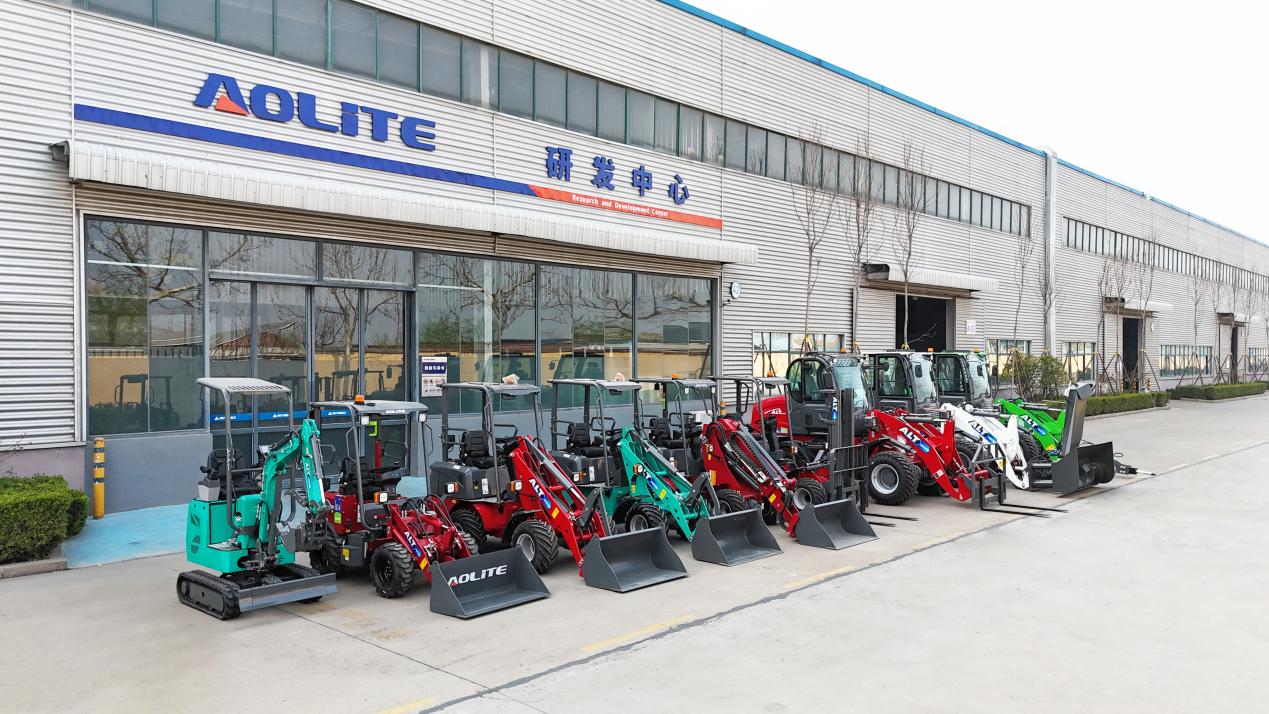
ເປັນຫຍັງເຄື່ອງຂຸດໄຟຟ້າຈຶ່ງສາມາດບັນລຸຄວາມສຳເລັດຢ່າງເຫຼືອເຊື່ອ ແຕ່ເຄື່ອງຂຸດໄຟຟ້າກັບເປັນເລື່ອງທີ່ "ຜະລິດໄດ້ຍາກ"?
ນີ້ບໍ່ແມ່ນບັນຫາດ້ານເຕັກນິກທີ່ງ່າຍດາຍ, ແຕ່ເປັນບັນຫາທີ່ມີສາມດ້ານທີ່ເຊື່ອມຕໍ່ກັນ ໂດຍປະກອບດ້ວຍປະສິດທິພາບດ້ານພະລັງງານ, ບັນຫາດ້ານລະບົບໄຮໂດຣລິກ, ແລະ ສະຖານະການການເຕີມພະລັງງານ.
1. ສະພາບການການເຮັດວຽກກຳນົດເຂດທີ່ຈະຕ້ອງເຕີມພະລັງງານ.
ເຄື່ອງຂຸດດັ່ງກ່າວຖືກນຳໃຊ້ເປັນຫຼັກໃນໂຮງງານຜະລິດເຫຼັກ, ທ່າເຮືອ, ແຫຼ່ງຂຸດຄົ້ນຖ່ານຫີນ ແລະ ສວນສັດ. ສະຖານທີ່ເຫຼົ່ານີ້ມີລັກສະນະເປັນບ່ອນທີ່ປິດ, ມີສະຖານທີ່ແນ່ນອນ ແລະ ມີການເຮັດວຽກຢ່າງຕໍ່ເນື່ອງ, ສິ່ງນີ້ເຮັດໃຫ້ຕົ້ນທຶນການສ້າງສະຖານີໄຟຟ້າສຳລັບການຊາດຈະຖືກຊຳລະຄືນໄດ້ຢ່າງໄວວ່າດ້ວຍພາລະບັນທຸກທີ່ຫຼາຍ, ເຮັດໃຫ້ການຊາດໄຟຟ້າເປັນເລື່ອງທີ່ສະດວກຫຼາຍ. ແຕ່ວ່າ ເຄື່ອງຂຸດຂະໜາດກາງ ແລະ ໃຫຍ່ແບບດັ້ງເດີມມັກຈະເຮັດວຽກຢູ່ໃນສະຖານທີ່ກໍ່ສ້າງທີ່ເລີ່ມຕົ້ນຂຶ້ນໃໝ່, ບ່ອນຂຸດຄົ້ນທີ່ຫ່າງໄກ ຫຼື ສະຖານທີ່ກໍ່ສ້າງທາງລົດ, ໂດຍທີ່ການເຂົ້າເຖິງໄຟຟ້າເປັນເລື່ອງທີ່ຍາກຫຼາຍ ແລະ ເຄື່ອງເຫຼົ່ານີ້ກໍເคลື່ອນຍ້າຍຕະຫຼອດເວລາຕາມຄວາມຄ່ອຍເປັນໄປຂອງໂຄງການ. ສຳລັບເຄື່ອງທີ່ເຄື່ອນທີ່ດ້ວຍລ້ອມເປັນແບບຕິດຕາມ (tracked) ທີ່ມີນ້ຳໜັກຫຼາຍສິບຕັນ, ຕົ້ນທຶນ ແລະ ເວລາທີ່ໃຊ້ໃນການຄົ້ນຫາສະຖານີຊາດຈະເປັນເລື່ອງທີ່ເຮັດໃຫ້ເຈົ້າຂອງທຸລະກິດໃດໆລັງເລທີ່ຈະນຳໃຊ້.
2. ການໂຈມຕີທີ່ຫຼຸດລົງຂອງມິຕິປະສິດທິພາບດ້ານພະລັງງານ.
ເຄື່ອງຂຸດດັ້ງມີປະສິດທິພາບການເຄື່ອນຍ້າຍທີ່ດີເລີດ. ເຄື່ອງຂຸດດັ້ງເຮັດວຽກຫຼັກໆ ແບບ "ເດີນ + ຂຶ້ນທັບ" ແລະ ຄວາມໄວໃນການເລີ່ມຕົ້ນ ແລະ ການເດີນຂອງມໍເຕີ ສ້າງເປັນປະສິດທິພາບໃນການເຮັດວຽກໂດຍກົງ. ແຕ່ເຄື່ອງຂຸດດັ້ງຍັງຖືກຈຳກັດຢູ່ເຖິງຂອບເຂດຂອງລະບົບໄຮໂດຣລິກ. ໜ້າທີ່ຫຼັກຂອງເຄື່ອງຂຸດດັ້ງແມ່ນ "ການເຮັດວຽກ" ເຊິ່ງຕ້ອງມີການຂຸດ, ຍົກ, ແລະ ສະເລີງຢ່າງເປັນປະຈຳ. ອຸປະສັກທີ່ໃຫຍ່ທີ່ສຸດທີ່ອຸດສາຫະກຳກຳລັງປະເຊີນໜ້າຢູ່ໃນປັດຈຸບັນແມ່ນປະສິດທິພາບການປ່ຽນແປງພະລັງງານຂອງລະບົບໄຮໂດຣລິກ—ເຖິງແມ່ນວ່າປະສິດທິພາບຂອງມໍເຕີຈະສູງເຖິງ 90% ແຕ່ປະສິດທິພາບພະລັງງານທັງໝົດຂອງເຄື່ອງຈັກຫຼັງຈາກຜ່ານລະບົບໄຮໂດຣລິກອາດຈະມີພຽງແຕ່ປະມານ 30% ເທົ່ານັ້ນ. ທີມງານດ້ານເຕັກນິກຂອງ AOLITE ເຊື່ອວ່ານີ້ແມ່ນອຸປະສັກທີ່ຍາກຈະເກີນໄປໃນການເຮັດໃຫ້ເຄື່ອງຂຸດດັ້ງຂະໜາດກາງ ແລະ ໃຫຍ່ເປັນໄຟຟ້າ.
3. ຄວາມຄຸ້ມທຶນຂອງ "ການຄືນທຶນໃນ 2.8 ປີ".
- ຄວາມແຕກຕ່າງທີ່ ຫນ້າ ຢ້ານກົວລະຫວ່າງເຊື້ອໄຟແລະໄຟຟ້າ: ອີງຕາມການທົດສອບຕົວຈິງ, ເຄື່ອງໂຫຼດໄຟຟ້າ 50 ໂຕນໃຊ້ພະລັງງານພຽງແຕ່ 1/4 ຂອງລຸ້ນເຊື້ອໄຟ.
- ໄລຍະເວລາການຈ່າຍເງິນທີ່ສັ້ນທີ່ສຸດ: ຄ່າໃຊ້ຈ່າຍໃນການຊື້ເຄື່ອງຈັກໄຟຟ້າເພີ່ມເຕີມສາມາດໄດ້ຮັບການກູ້ຄືນໄດ້ໃນສະເລ່ຍພຽງແຕ່ 2.8 ປີໃນເງື່ອນໄຂການເຮັດວຽກ ຫນັກ, ປະຫຍັດຄ່າໃຊ້ຈ່າຍຂອງເຄື່ອງຈັກ ໃຫມ່ ໃນຕະຫຼອດຊີວິດ.
ເຖິງຢ່າງໃດກໍ່ຕາມ, AOLITE ຢາກເນັ້ນຫນັກວ່າການຄິດໄລ່ທາງດ້ານເສດຖະກິດນີ້ບໍ່ໄດ້ຖືກນໍາໃຊ້ຢ່າງເຕັມສ່ວນຕໍ່ເຄື່ອງຂຸດກາງແລະຂະ ຫນາດ ໃຫຍ່. ຄ່າໃຊ້ຈ່າຍສູງຂອງແບັດເຕີຣີ ສໍາ ລັບເຄື່ອງຂຸດຂະ ຫນາດ ກາງແລະຂະ ຫນາດ ໃຫຍ່, ນ້ ໍາ ຫນັກ ຂອງແບັດເຕີຣີຫຼຸດຜ່ອນການໂຫຼດ, ແລະການລົງທືນຢ່າງຫຼວງຫຼາຍໃນສະຖານທີ່ເຕີມນ້ ໍາ ມັນພາກສະຫນາມເຮັດໃຫ້ໄລຍະເວລາຂອງການຈ່າຍເງິນຂອງພວກເຂົາບໍ່ຄ່ອຍຈະແຈ້ງກ່ວາເຄື່ອງໂຫຼດ.
ບ່ອນໃດທີ່ຕະຫຼາດທີ່ເປັນໄປໄດ້ ສໍາ ລັບເຄື່ອງຂຸດໄຟຟ້າ? AOLITE: ຄໍາຕອບອາດຈະຢູ່ໃນເຄື່ອງຂຸດຂະຫນາດນ້ອຍ.
ເນື່ອງຈາກບັນຫາຈຳນວນຫຼາຍໃນການເຮັດໃຫ້ເຄື່ອງຂຸດກາງ ແລະ ໃຫຍ່ເປັນໄຟຟ້າ, ດັ່ງນັ້ນ ເຄື່ອງຂຸດໄຟຟ້າຈຶ່ງບໍ່ມີອະນາຄົດເລີຍຫຼື? ຜ່ານການຄົ້ນຄວ້າ ແລະ ພັດທະນາມາເປັນເວລາຫຼາຍປີ ແລະ ການຕິດຕາມຕະຫຼາດ, AOLITE ໄດ້ຄົ້ນພົບວ່າໂອກາດທີ່ແທ້ຈິງອາດຈະຢູ່ໃນຂະແໜງການ 'ເຄື່ອງຂຸດຂະໜາດນ້ອຍ' ທີ່ມັກຖືກລືມເຖິງ.
1. ສະພາບການເຮັດວຽກຂອງເຄື່ອງຂຸດຂະໜາດນ້ອຍແຕກຕ່າງຢ່າງສິ້ນເຊີງຈາກເຄື່ອງຂຸດຂະໜາດໃຫຍ່.
- ສະຖານະການເຮັດວຽກທີ່ຖືກກຳນົດໄວ້ ແລະ ຄວາມໃກ້ຊິດກັບແຫຼ່ງພະລັງງານ: ເຄື່ອງຂຸດຂະໜາດນ້ອຍທີ່ມີນ້ຳໜັກຕ່ຳກວ່າ 6 ຕັນ ແມ່ນຖືກນຳໃຊ້ເປັນຫຼັກໃນວຽກດ້ານວິສະວະກຳເມືອງ, ການຈັດຕັ້ງສວນ, ການປູກຝັງດ້ານກະສິກຳ, ການທຳລາຍພາຍໃນອາຄານ, ແລະ ການເຮັດວຽກໃນບ່ອນທີ່ມີພື້ນທີ່ຈຳກັດ. ສະຖານະການເຫຼົ່ານີ້ມັກຈະຢູ່ໃກ້ກັບເຂດທີ່ຢູ່ອາໄສ ຫຼື ແຫຼ່ງຈ່າຍໄຟຟ້າທີ່ມີຢູ່ແລ້ວ, ແລະ ສາມາດສາກໄຟໄດ້ໂດຍການເຊື່ອມຕໍ່ເຂົ້າກັບໄຟຟ້າບ້ານ 220V ໂດຍບໍ່ຈຳເປັນຕ້ອງໃຊ້ສະຖານີສາກໄຟທີ່ມີລາຄາແພງເປັນພິເສດ.
- ແຮງງານຕ່ຳ ແລະ ຊ່ວງເວລາທີ່ຍາວ: ເຄື່ອງຂຸດຂະໜາດນ້ອຍມັກບໍ່ຖືກນຳໃຊ້ໃນການເຮັດວຽກທີ່ໜັກໆຢ່າງຕໍ່ເນື່ອງ, ແລະ ມີຫຼາຍຊ່ວງເວລາທີ່ສາມາດປ່ຽນໄຟຟ້າໄດ້ຊ້າໆ ໂດຍໃຊ້ໄຟຟ້າໃນເວລາທີ່ມີການໃຊ້ງານຕ່ຳ, ສະນັ້ນຈຶ່ງມີຄວາມພຶ່ງພາຕໍ່ການຊາດໄຟໄວໆ ໃນລະດັບຕ່ຳ.
2. ຈຸດທີ່ເປັນອຸປະສັກດ້ານລະບົບໄຮໂດຣລິກຂອງເຄື່ອງຂຸດຂະໜາດນ້ອຍແມ່ນຄ່ອນຂ້າງງ່າຍທີ່ຈະແກ້ໄຂ.
ເຄື່ອງຂຸດຂະໜາດກາງ ແລະ ໃຫຍ່ມີຄວາມສັບສົນ ແລະ ມີການສູນເສຍພະລັງງານຢ່າງມີນ້ຳໜັກ; ໃນຂະນະທີ່ລະບົບໄຮໂດຣລິກຂອງເຄື່ອງຂຸດຂະໜາດນ້ອຍແມ່ນຄ່ອນຂ້າງງ່າຍດາຍ, ແລະ ຜ່ານການບູລະນາການຢ່າງເລິກເຊິ່ງຂອງການຂັບເຄື່ອນດ້ວຍໄຟຟ້າ ແລະ ການຄວບຄຸມໄຮໂດຣລິກ-ໄຟຟ້າ, ການຈັບຄູ່ພະລັງງານສາມາດບັນລຸໄດ້ຢ່າງມີປະສິດທິພາບຫຼາຍຂຶ້ນ. ທີມງານ R&D ຂອງ AOLITE ໄດ້ບັນລຸປະສິດທິພາບດ້ານພະລັງງານທີ່ນຳໆເຖິງອຸດສາຫະກຳ ໃນເຄື່ອງຂຸດຂະໜາດນ້ອຍຊຸດ EWJ12 ໂດຍການປັບປຸງການຄວບຄຸມຮ່ວມກັນຂອງຄວາມໄວໆຂອງມໍເຕີ ແລະ ປັ້ມໄຮໂດຣລິກ.
3. ອາຍຸການຄືນທຶນຂອງເຄື່ອງຂຸດຂະໜາດນ້ອຍອາດຈະສັ້ນກວ່າ.
- ເຄື່ອງຂຸດຂະໜາດນ້ອຍມີຄວາມຈຸຂອງຖ່ານໄຟທີ່ນ້ອຍກວ່າ, ສົ່ງຜົນໃຫ້ມີຄ່າເພີ່ມເຕີມເບື້ອງຕົ້ນທີ່ຕ່ຳຫຼາຍເທົ່າທຽບກັບເຄື່ອງຂຸດຂະໜາດກາງ ແລະ ໃຫຍ່;
- ເຄື່ອງຂຸດທີ່ຂັບເຄື່ອນດ້ວຍເຊື້ອໄຟເລັກມີການບໍລິໂພກເຊື້ອໄຟປະມານ 3-5 ລິດຕໍ່ຊົ່ວໂມງ, ໃນขณะທີ່ເຄື່ອງຂຸດເລັກທີ່ຂັບເຄື່ອນດ້ວຍໄຟຟ້າຈະໃຊ້ຄ່າໄຟຟ້າພຽງບໍ່ກີ່ຫຼາຍຢ່າງເດີ້ວຕໍ່ຊົ່ວໂມງ. ການປະຢັດຈາກຄວາມແຕກຕ່າງຂອງລາຄາເຊື້ອໄຟ ແລະ ໄຟຟ້ານີ້ຍັງໃຫ້ຜົນດີກວ່າການປະຢັດຈາກເຄື່ອງຂຸດຂະໜາດໃຫຍ່.
- ໃນເຂດທີ່ມີການກວດສອບດ້ານສິ່ງແວດລ້ອມຢ່າງເຂັ້ມງວດ (ເຊັ່ນ: ເຂດເມືອງສູນກາງ, ສະຖານທີ່ທ່ອງທ່ຽວ, ແລະ ສວນເຮືອນແກ້ວ), ເຄື່ອງຂຸດເລັກທີ່ຂັບເຄື່ອນດ້ວຍໄຟຟ້າສາມາດເຮັດວຽກໄດ້ 24 ຊົ່ວໂມງຕໍ່ມື້, ໃນຂະນະທີ່ເຄື່ອງຂຸດເລັກທີ່ຂັບເຄື່ອນດ້ວຍເຊື້ອໄຟຈະຖືກຈຳກັດ, ສິ່ງນີ້ຈະເຮັດໃຫ້ລາຍໄດ້ຈາກການເຊົ່າເຄື່ອງຂຸດເລັກທີ່ຂັບເຄື່ອນດ້ວຍໄຟຟ້າເພີ່ມຂຶ້ນອີກ.
ຕາມການຄຳນວນຂອງ AOLITE, ໂດຍເອົາເຄື່ອງຂຸດເລັກທີ່ຂັບເຄື່ອນດ້ວຍໄຟຟ້ານ້ຳໜັກ 1.2 ຕັນເປັນຕົວຢ່າງ, ໃນເງື່ອນໄຂການເຮັດວຽກໃນເຂດເມືອງທີ່ເສີມສະເລ່ຍ 6 ຊົ່ວໂມງຕໍ່ມື້, ຄ່າໃຊ້ຈ່າຍເພີ່ມເຕີມໃນການຊື້ຈະຖືກຄືນຄືນພາຍໃນ 1.5 ປີເທົ່ານັ້ນ, ແລະ ການປະຢັດທັງໝົດໃນຊ່ວງອາຍຸການໃຊ້ງານທັງໝົດສາມາດໃຊ້ຊື້ເຄື່ອງໃໝ່ໄດ້.
ໂອກາດໃນອະນາຄົດຢູ່ທີ່ໃດ? (ການປະເມີນຢ່າງມີເຫດຜົນຂອງ AOLITE)
ແນວໂນ້ມທີ 1: ເຄື່ອງຂຸດເລັກທີ່ຂັບເຄື່ອນດ້ວຍໄຟຟ້າສາມາດ "ກ້າວໜ້າດ້ວຍຕົວເອງ".
ການເຮັດໃຫ້ເຄື່ອງຂຸດຂະໜາດກາງ ແລະ ໃຫຍ່ເປັນໄຟຟ້າ ຕ້ອງການວິທີແກ້ໄຂທີ່ຄົບຖ້ວນ ລວມທັງ ສະຖານີຊາດຈີ່ທີ່ເคลື່ອນໄຫວ ແລະ ລົດເກັບພະລັງງານ, ເຊິ່ງເປັນຮູບແບບທີ່ບໍລິສັດໃຫຍ່ໆ ເຊັ່ນ: XCMG ແລະ Zoomlion ກຳລັງສຶກສາ. ແຕ່ສຳລັບເຄື່ອງຂຸດຂະໜາດນ້ອຍ, ເນື່ອງຈາກການຊາດຈີ່ຄືນໃໝ່ໄດ້ຢ່າງສະດວກ ແລະ ສາມາດປັບຕົວໄດ້ດີໃນສະຖານະການຕ່າງໆ, ດັ່ງນັ້ນການປ່ຽນແທນໃນຂະໜາດໃຫຍ່ຈຶ່ງສາມາດເກີດຂຶ້ນກ່ອນ. AOLITE ກຳລັງພັດທະນາວິທີແກ້ໄຂທີ່ປະກອບດ້ວຍ "ຜະລິດຕະພັນ + ອຸປະກອນຊາດຈີ່ທີ່ບ້ານ + ບ່ອນເກັບພະລັງງານທີ່ເຄື່ອນໄຫວ" ເພື່ອໃຫ້ແນ່ໃຈວ່າລູກຄ້າຈະໄດ້ຮັບພະລັງງານຢ່າງບໍ່ມີການກັງວົນໃນທຸກໆສະຖານທີ່ກໍ່ສ້າງ.
ແນວໂນ້ມທີ 2: ປັນຍາປະດິດສ້າງ (AI) ເປັນແຮງຂັບເຄື່ອນທີ່ສຳຄັນ.
ປີ 2026 ໄດ້ຖືກກຳນົດເປັນປີທຳອິດຂອງເຄື່ອງຂຸດທີ່ຂັບເຄື່ອນດ້ວຍປັນຍາປະດິດສ້າງ (AI). ຜ່ານແບບຈຳລອງ AI, ການຫຼີກເວັ້ນສິ່ງກີດຂວາງອັດຕະໂນມັດ, ການປັບລະດັບດິນໃນຄັ້ງດຽວ, ແລະ ການວາງແຜນເສ้นທາງ ສາມາດຫຼຸດຜ່ອນຂອບເຂດທັກສະທີ່ຕ້ອງການຈາກຜູ້ຂັບຂີ່ໄດ້ຢ່າງມີນັກ. AOLITE ເນັ້ນວ່າ ເຄື່ອງຂຸດຂະໜາດນ້ອຍ (mini excavators) ເໝາະສົມກວ່າສຳລັບການຂັບຂີ່ດ້ວຍຄວາມຊ່ວຍເຫຼືອໃນການດຳເນີນງານທີ່ມາດຕະຖານ (ເຊັ່ນ: ການຂຸດຮ່ອງ ແລະ ການປັບລະດັບດິນ) ເນື່ອງຈາກວ່າ ວຽກງານເຫຼົ່ານີ້ມີລັກສະນະຊ້ຳເດີມສູງ ແລະ ສະພາບແວດລ້ອມມີຄວາມງ່າຍດາຍຄ່ອນຂ້າງ. ເມື່ອເຄື່ອງຂຸດຂະໜາດນ້ອຍສາມາດເຮັດວຽກທີ່ເໝືອນເປັນເລື່ອງຈື່ແລະເບື່ອໜ່າຍໄດ້ 80% ອັດຕະໂນມັດ, ມູນຄ່າເຊີງການຄ້າຂອງມັນຈະບໍ່ຂຶ້ນກັບເພີ່ງພາເພີ່ງວ່າມັນໃຊ້ເຊື້ອເພິງເປັນເຊື້ອເພິງຫຼືໄຟຟ້າເທົ່ານັ້ນ.
ແນວໂນ້ມທີ 3: ຜົນປະໂຫຍດຈາກນະໂຍບາຍກຳລັງເອີ້ງໄປທາງເຄື່ອງຂຸດຂະໜາດນ້ອຍ.
ນະໂຍບາຍການອັດເຄີບອຸປະກອນໃໝ່ທີ່ຖືກຈັດຕັ້ງປະຕິບັດໃນບໍລິເວນຕ່າງໆ ມັກຈະມີອັດຕາການຊ່ວຍເຫຼືອສູງຂຶ້ນ (ເຖິງ 30% ໃນບາງເຂດ) ສຳລັບອຸປະກອນຂະໜາດນ້ອຍເຊັ່ນ: ເຄື່ອງຂຸດນ້ອຍໄຟຟ້າ ແລະ ເຄື່ອງຂຸດໄຟຟ້າປະເພດ skid steer, ພ້ອມທັງຂະບວນການອະນຸມັດທີ່ງ່າຍຂຶ້ນ. ນີ້ເປີດເຜີຍຊ່ອງທາງດ້ານນະໂຍບາຍທີ່ດີເລີດສຳລັບການນຳໃຊ້ເຄື່ອງຂຸດນ້ອຍຢ່າງແຜ່ກວ້າງ.
ຄຳແນະນຳຂອງ AOLITE: ຢ່າເອົາໃຈໃສ່ເພີ່ງແຕ່ເຄື່ອງຂຸດຂະໜາດໃຫຍ່; ອາຍຸສຳລັບເຄື່ອງຂຸດຂະໜາດນ້ອຍໄດ້ມາເຖິງແລ້ວ.
ການເຮັດໃຫ້ເຄື່ອງຈັກການກໍ່ສ້າງປະເພດ loader ຂອງຈີນເປັນໄຟຟ້າ ໄດ້ເຂົ້າສູ່ຊ່ວງທີ່ພັດທະນາຢ່າງໄວວາ, ແລະ ດ້ວຍສະຖານະການການນຳໃຊ້ທີ່ກຳນົດໄວ້ຢ່າງຊັດເຈນ ແລະ ອັດຕາຜົນຕອບແທນ (ROI) ທີ່ສູງຢ່າງຍິ່ງ, ມັນໄດ້ເຂົ້າສູ່ "ຊ່ວງທີ່ຖືກແທນທີ່ຢ່າງແຜ່ກວ້າງ"; ໃນຂະນະທີ່ການເຮັດໃຫ້ເຄື່ອງຂຸດເປັນໄຟຟ້າຈະມີຄວາມແຕກຕ່າງກັນ - ເຄື່ອງຂຸດຂະໜາດກາງ ແລະ ໃຫຍ່ຍັງຢູ່ໃນ "ຊ່ວງທີ່ເກີດການແຕກຫັກດ້ານເຕັກໂນໂລຊີ", ແຕ່ເຄື່ອງຂຸດຂະໜາດນ້ອຍກຳລັງເຂົ້າສູ່ "ຊ່ວງທີ່ເປັນທີ່ນິຍົມຢ່າງແຜ່ກວ້າງ".
AOLITE ເຊື່ອຢ່າງແໜ້ນແຟ້ນວ່າ ເຕັກໂນໂລຊີຕ້ອງບໍລິການສະພາບການເຮັດວຽກຈິງໃນຊີວິດຈິງ. ຖ້າທ່ານ:
- ຜູ້ບໍລິຫານວິສະວະກຳເມືອງ: ພວກເຮົາຕ້ອງການອຸປະກອນທີ່ເງີຍບໍ່, ບໍ່ມີການປ່ອຍມົນລະພິດ, ແລະສາມາດເຮັດວຽກໄດ້ໃນເວລາກາງຄືນ;
- ຜູ້ຮັບເໝາະດ້ານການຈັດຕັ້ງສວນ: ພວກເຂົາມັກເຮັດວຽກໃນສວນ ແລະ ເຂດທີ່ຢູ່ອາໄສ ແລະ ມີຄວາມກັງວົນຕໍ່ມົນລະພິດດ້ານສຽງ;
- ຫົວໜ້າສະຫະກອນດ້ານກະສິກຳ: ຕ້ອງການຫຼຸດຜ່ອນຕົ້ນທຶນການດຳເນີນງານຂອງເຮືອນແກ້ວ ແລະ ສວນຜັກ;
- ສຳລັບການທຳລາຍພາຍໃນອາຄານ ຫຼື ການກໍ່ສ້າງອຸມົງ: ຕ້ອງການເຄື່ອງຈັກທີ່ບໍ່ມີຫາງ, ມີຄວາມຫຼາກຫຼາຍ ແລະ ມີມົນລະພິດຕ່ຳ;
ຫຼັງຈາກນັ້ນ, ທ່ານອາດຈະຢາກເບິ່ງເຄື່ອງຂຸດດິນຂະໜາດນ້ອຍແບບໄຟຟ້າສຸດທິ AOLITE ລຸ້ນ EWJ12. ມັນບໍ່ພຽງແຕ່ສາມາດເຊື່ອມຕໍ່ກັບແຫຼ່ງຈ່າຍພະລັງງານໃນບ້ານໄດ້ເທົ່ານັ້ນ, ແຕ່ຍັງມີການອອກແບບທີ່ຄິດໄຕ່ຢ່າງດີເຊັ່ນ: ການຫັນທີ່ບໍ່ມີຫາງ, ຕູ້ເຄື່ອງທີ່ຫຸດ-ຍືດໄດ້, ແລະ ຟັງຊັ່ນຂອງແຂນຫັນ, ເຮັດໃຫ້ທ່ານສາມາດເຮັດວຽກໄດ້ຢ່າງງ່າຍດາຍໃນບ່ອນທີ່ມີພື້ນທີ່ຈຳກັດ.
ສຸດທ້າຍ, ພວກເຮົາຢາກຮູ້ຄຳເຫັນທີ່ຊື່ສັດຈະຂອງທ່ານ: ຕະຫຼາດການເຊົ່າເຄື່ອງຂຸດດິນຂະໜາດນ້ອຍແບບໄຟຟ້າໃນເມືອງຂອງທ່ານເປັນແບບໃດ? ທ່ານໄດ້ຄຳນວນໄລຍະເວລາທີ່ຈະຄືນທຶນແລ້ວຫຼືບໍ່?
ຖ້າມີເຄື່ອງຂຸດຂະໜາດນ້ອຍທີ່ສາມາດໃຊ້ພະລັງງານໄຟຟ້າຈາກຄົວເຮືອນໄດ້ ແລະ ສາມາດເຮັດວຽກໄດ້ທັງມື້ດ້ວຍການຊາດແບດເຕີຣີ່ເຕັມ, ທ່ານຈະຢາກທົດລອງໃຊ້ມັນຫຼືບໍ່?
ข่าวที่แนะนำ
ຂ່າວຮ້ອນ
-
AOLITE ທີ່ໄດ້ຮັບຄວາມສັນໃຈໃນອຸປະກອນ
2024-05-08
-
INTERMAT 2024, ສະຫະລັດສະຫະພາບການສ້າງແລະເຄື່ອງມືສ້າງເປັນສິ່ງທີ່ປະກັດໃນປາຣິສ, ກິນຫາ
2024-04-26
-
ໜ່ວຍທີ 2000 ຂອງເຄື່ອງໂຫລາດໄຟຟ້າ AOLITE ຍັງເຄື່ອງໄຟຟ້າໄດ້ຖືກເອົາອອກຈາກເສັ້ນຜົນລະບຽນແລະສົ່ງ: ການກັບຄື້ມ, ລັດຖະບານປະຈຸບັນແລະອະທິຍານ
2024-04-25
-
AOLITE ເຄື່ອງໂຫລາດໄຟຟ້າ: ມິວສະຕຸ້ນທີ່ 2000 ຂອງການສົ່ງອອກ
2024-04-25
-
AOLITE 2024 ການມາถึงໃໝ່ ETL600 ເຄື່ອງໂຫລະດີແທນຊູບມິນີ, ເຄື່ອງໂຫລະດີສຳລັບພະຍາກອນສູງສຸດສູງສຸດສູງສຸດສູງສຸດສູງສຸດສູງສຸດສູງສຸດສູງສຸດສູງສຸດສູງສຸດສູງສຸດສູງສຸດສູງສຸດສູງສຸດສູງສຸດສູງສຸດສູງສຸດສູງສຸດສູງສຸດສູງສຸດສູງສຸດ
2024-02-19
-
AOLITE ເຄື່ອງໂຫລະດີປັນຫຼັງເຂົ້າສູ່ຕະຫຼາດອຸເສຍາລົດ Stage V ຂອງ EU
2024-06-27
 ຖາມ
ຖາມ