
CONEXPO-CON/AGG 2026: Az építőgépek „agya” és „szíve” teljesen újra lett tervezve
Egy olyan világban, ahol a lóerőszámok már nem a legfőbb megbízhatósági jelzők, az intelligencia, az elektromos meghajtás és az ökológia közötti döntő csata befejeződött Las Vegasban. A globális építőipari gépek iparának iránytűjeként a CONEXPO-CON/AGG 2026 kiállítás éppen most zárult le. Ha még mindig úgy gondolja, hogy ez csupán egy „acél óriások” bemutatója, amelyek versengenek abban, melyikük gépei nagyobbak és erősebbek, akkor kellemes meglepetés érheti. Az ipar technológiai paradigmája alapvető változáson ment keresztül.
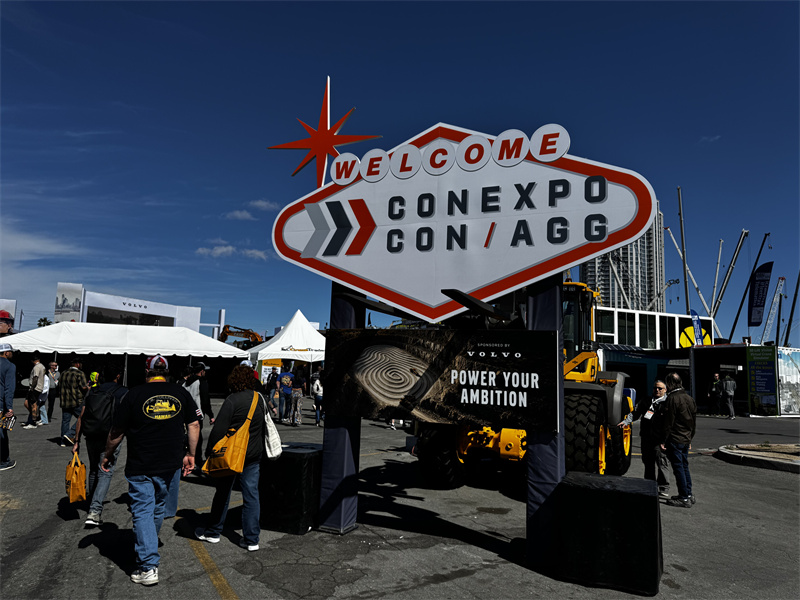
Az iparág vezetői már nemcsak hideg acélt adnak el, hanem komplex megoldásokat nyújtanak, amelyek intelligens építkezést, adatszolgáltatásokat és teljes életciklus-kezelést foglalnak magukban. A jövő versenyhelyzete az intelligens ökoszisztémák harca lesz.
Fő tanulság: búcsút intünk a „lóerőversenynek”, és üdvözöljük az „intelligens ökoszisztémákat”
A hagyományos építőgépek kora, amelyet kizárólag a „nagy teherbírás és erős motorok” alapján ítéltek meg, véglegesítve lezárult. Az idei kiállítás egyértelmű jelet küld: az iparág belépett egy új szakaszba, amelyben a verseny háromdimenziós – az intelligencia, az elektromos meghajtás és a forgatókönyv-alapú ökoszisztémák körül forog. A vezető gyártók többé nem egyedi gépek műszaki adatai alapján versengenek, hanem végponttól végpontig terjedő képességeik révén újraformálják az építőgépek értékét.
A berendezések értékesítésétől a megoldások értékesítéséig: a vásárlók nem csupán építőgépeket vásárolnak, hanem egy olyan kötelezettségvállalást, amely biztosítja a földmunkák időben, hatékonyan és költséghatékonyan történő elvégzését.
Technológiai átalakulás: az MI mint az „agy”, az elektromos meghajtás mint a „szív”
—— Okos és autonóm építés: az MI átalakul a „társ-pilótából” a „központi központtá”. A jövő építési területein talán már nem lesz szükség képzett gépkezelőkre, de mindenképpen szükség lesz olyan mérnökökre, akik jártasak az algoritmusokban. Az „asszisztált vezetés” már a múlté; az „autonóm építés” pedig egyre inkább valósággá válik. Az MI többé nem csak egy plusz előny, hanem minden berendezés mögött álló központi agy.
· Caterpillar: A Cat AI Assistant™ bevezetésével a cég elérte az AI-technológiák teljes körű, végponttól végpontig tartó alkalmazását a berendezések üzemeltetésétől a karbantartási döntésekig. A Cat CS12 – a világ első autonóm talajtömörítő gépe – megjelenése új mércét állított fel a biztonság és a hatékonyság területén.
· Komatsu: A Smart Construction platformon keresztül teljes adatciklust hoztak létre a felméréstől és az építkezéstől az üzemeltetésen és karbantartáson át. Fontos megjegyezni, hogy ez lehetővé teszi mind az új, mind a régi bányászati teherautók autonóm módosítását, amely 15%-os termelékenység-növekedést és 20%-os üzemanyag-fogyasztás-csökkenést ígér.
· Volvo CE: Automatikus vezérlési rendszerek és akadályfelismerési funkciók kerülnek bevezetésre az egész gépsorozatban. Az ECR255 rövidfarok-kotrója újraformálja a precíziós építkezést a korlátozott helyeken kiváló emelőképességével és alacsonyabb üzemanyag-fogyasztásával.
——Az elektromosítás gyorsulása: a „pilótprogramoktól” a „széles körű szükségszerűségig”: a nullkibocsátás már nem csupán egy környezetvédelmi jelszó, hanem konkrét költségelőny és kulcsfontosságú feltétele a piacra való belépésnek. Az elektromosítás hulláma a kis- és közepes méretű berendezésekről az egész termékválasztékra terjed.
• Volvo CE: A L120 Electric, egy közepes méretű elektromos rakodógép tesztvezetése most már elérhető, és a cég három fő platformja jelenleg teljes körű átállás alatt áll az elektromos meghajtásra.
• CASE: Elektromos mini-rakodógépeket és excavátorokat indítottak, amelyek teljes elektromos mátrixot alkotnak a kis berendezések számára, és amelyekről azt állítják, hogy 40%-kal csökkentik az életciklus teljes költségét.
• LiuGong: Az elektromos berendezéseket több mint tíz országban telepítették világszerte, és a cég hidrogénmotorokat és nagy teljesítményű akkumulátorcsomagokat alkalmazott kettős technológiai pályán, ezzel bemutatva átfogó gyártási kapacitását az elektromosítási versenyben.
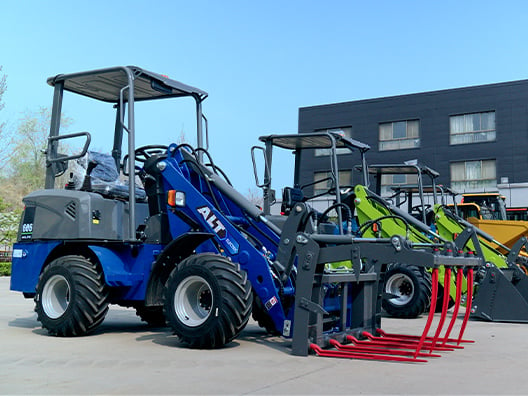
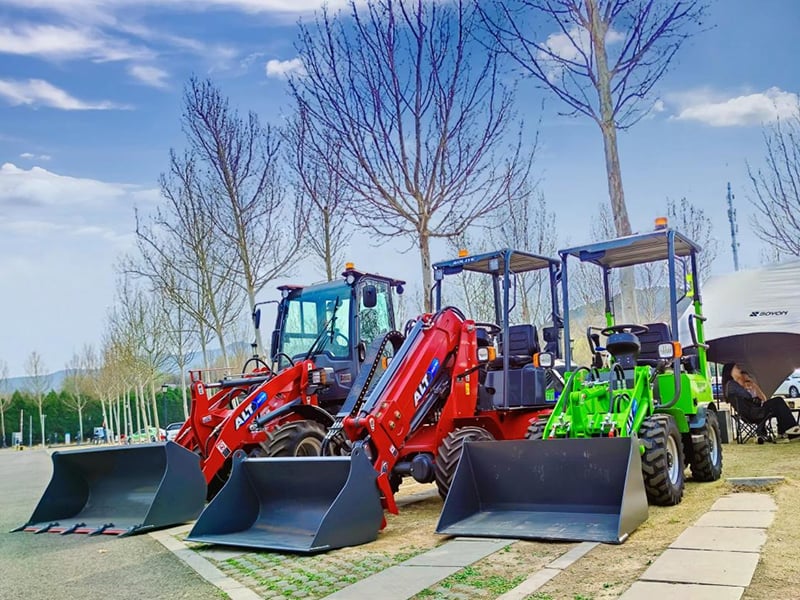
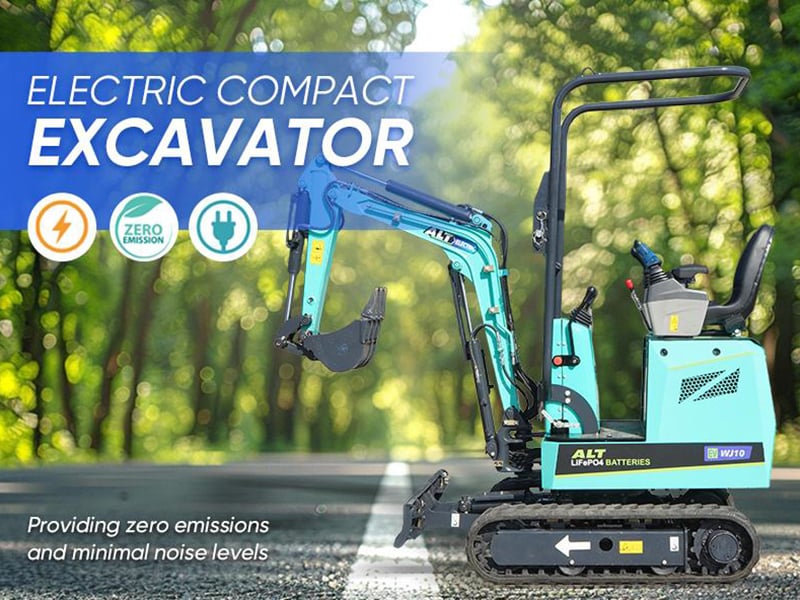
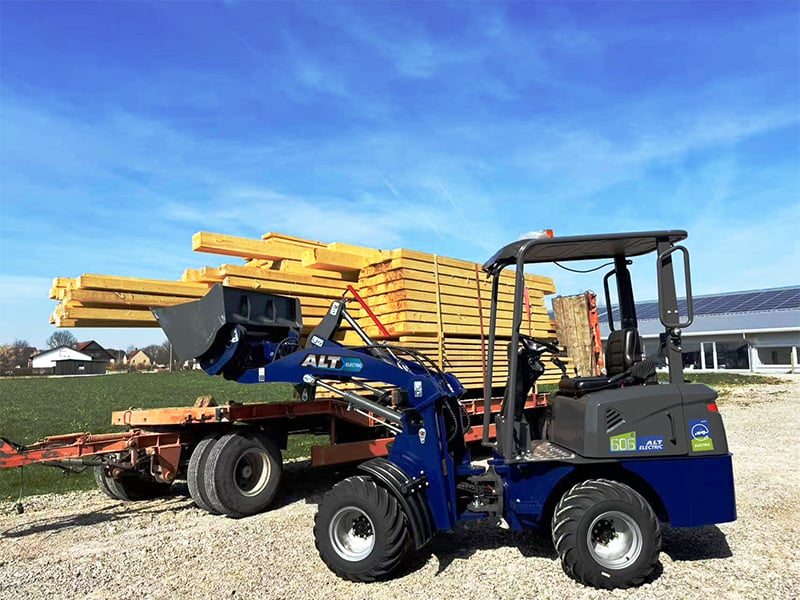
• AOLITE: Az AOLITE a CONEXPO kiállításon mutatkozott be először, és pontosan a szubkontinens észak-amerikai kompakt berendezések piacára összpontosítva indított három teljesen elektromos mini-terméket (köztük elektromos rakodógépeket és kotrókat). Ezeket a gépeket kifejezetten a kertépítésre, a községi karbantartásra és beltéri bontási feladatokra tervezték, így az amerikai vásárlók számára hatékony megoldást nyújtanak a kompakt munkaterületeken – nulla kibocsátással, alacsony zajszinttel és rugalmas manőverezhetőséggel. Az AOLITE részvétele a kiállításon nemcsak Kína elektromos járműiparának globális expanzióját jelzi, hanem hangsúlyozza a kompakt berendezések szegmensében egyre növekvő keresletet az elektromos megoldások iránt.
Trendelemzés: Egyértelmű kép az új ipari ciklusról
—— Technológiai integráció: A „hármas egység” – hardver, szoftver és szolgáltatás
A Caterpillar bányászati szoftvercéget vásárolva törekszik egész ökoszisztémájának integrálására – a tervezéstől és ütemezéstől az eszközkezelésig. Eközben a távoli működtetés ma már a szokásos gyakorlat: a kiállításon a Sany Heavy Industry bemutatta egy, a kínai Huzhou-ban, 6500 mérföldre lévő rakodógép valós idejű vezérlését, amelynek késleltetése mindössze 120 milliszekundum – ezzel bizonyítva, hogy a technológia érett, és az üzleti modell gyorsan elterjed.
—— A vállalati modellek drámai átalakulása: az „eszközök tulajdonlásától” a „eredményekért fizetésig”
A Caterpillar bevezette a Cat Compactot, egy egyszerű, egyetlen pontból elérhető szolgáltatást kis vállalkozók számára, míg az Epiroc távfelügyeleti szerződések révén kibővített garanciákat kínál. Az eszközök bérlése és a szervizelési előfizetések egyre inkább a fő irányba mutatnak, mivel az ügyfelek egyre inkább az eszközöket nem tulajdonló, hanem csak a végső építési eredményekért fizető működési formát részesítik előnyösebbnek.
— A helyi igazítás versenyének fokozódása: az ipari létesítményekbe történő beruházás és a technológiai alkalmazkodás egyensúlyozása
A Komatsu 80 millió dollárt fektetett be egy észak-amerikai bányászati szervizközpont építésébe, míg a Volvo további 12 milliárd dollárt szánott Észak-Amerikában gyártókapacitásának bővítésére. A európai és amerikai óriások mélyebben hatolnak be a helyi piacokra, hogy megfeleljenek a régióra vonatkozó szabályozási követelményeknek és alkalmazkodjanak a helyi üzemeltetési körülményekhez, ami miatt a verseny egyre inkább helyi szinten zajlik, és egyre finomabbá válik.
— Kínai gyártók: áttörés a kihívások és lehetőségek között
• A kihívások továbbra is súlyosak: magas technológiai akadályok állnak a felsőkategóriás bányászati és nehézüzemű elektromos berendezések területén, és a helyi szervízhálózatok még mindig lemaradnak a külföldi óriások hálózatai mögött.
• A lehetőségek ugyanolyan egyértelműek: a forgatókönyv-alapú megoldásokban kihasználhatók a differenciált előnyök; vezető tapasztalat a költségkontrollban és az elektromosítás nagy léptékű bevezetésében. Ugyanakkor olyan technológiák – például a távoli irányítás és a mesterséges intelligenciával támogatott építés – érhetnek el áttörést munkaerőhiánnyal küzdő piacokon, mint Észak-Amerika és a Közel-Kelet.
Egy tipikus példa: az AOLITE differenciált megközelítése. Az ipari óriásokkal közvetlenül versenyző nehézgépekkel ellentétben az AOLITE a mini elektromos gépekkel lépett be az észak-amerikai piacra, ezzel elkerülve a közvetlen versenyt a nagy méretű berendezések területén a Caterpillarrel és a Komatsúval. Ez a „kompakt, gyors és rugalmas” stratégia teljes mértékben kihasználja Kína elektromos berendezések ellátási láncának költség- és érett-ségi előnyeit, miközben specifikus forgatókönyvekhez készen álló elektromosítási megoldásokat kínál. A kiállításon nyújtott figyelemfelkeltő bemutatkozása bizonyítja, hogy egy óriások által dominált piacon a pontos pozicionálás és a forgatókönyvekre épülő innováció továbbra is hatékony útjai a kínai gyártók számára, amikor új piacokra próbálnak behatolni.
Kulcsfontosságú műveleti irányelvek: Három kérdés, amelyre választ kell adni a jövőbeli tervezés során
A okos ökoszisztéma-forradalommal szembesülve mind a gyártóknak, mind a felhasználóknak újra kell gondolniuk stratégiai irányukat.
• Ki a vevőnk? A berendezések tulajdonosai vagy az építőipari szolgáltatók? Az utóbbiak inkább a digitális platformok általános hatékonyságára figyelnek, mint egyetlen eszköz extrém paramétereire.
• Valóban készen állunk-e az elektromosításra? A városi építkezéseknél és a szigorú környezetvédelmi előírásokat alkalmazó területeken az elektromosítás elsődleges cél lehet; extrém körülmények – például nehézüzemi bányászat – esetén azonban a telepített akkumulátor élettartamát és a töltési megoldásokat gondosan fel kell mérni. Kis méretű, szétszórt munkahelyi forgatókönyvek esetén az AOLITE teljesen elektromos kompakt berendezései már most gazdaságilag is életképesek lehetnek az azonnali kiváltásra.
• Követni tudja-e szervízhálózatunk a fejlődést? Az okos ökoszisztémák ígéreteket tesznek. Ha nem tudunk erős szervízhálózatot kiépíteni, akkor szorosan együttműködésre van szükségünk magas minőségű helyi szervízszolgáltatókkal, hogy minden ígéretünket teljesítsük.
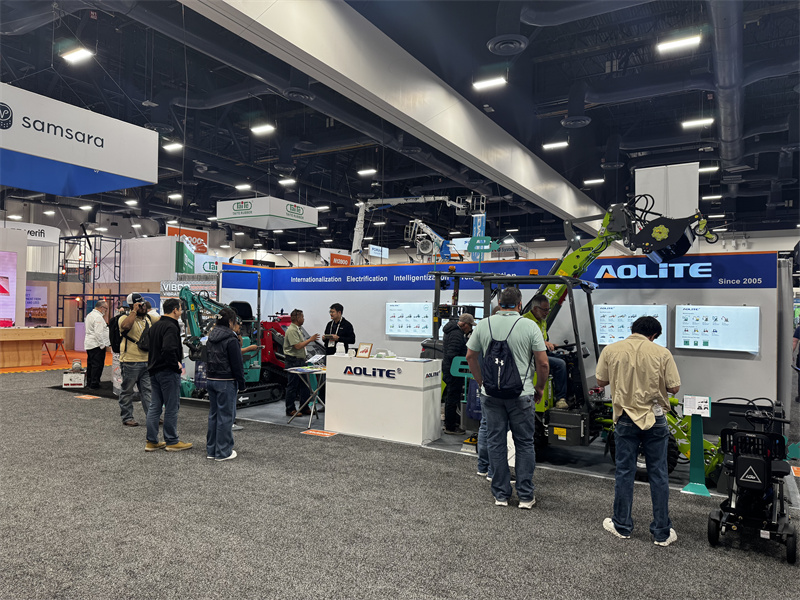
A CONEXPO-CON/AGG 2026 nem egy kiállítás végét, hanem az építőgépipar új korszakának kezdetét jelenti. A valódi csatamező elmozdult a fényes kiállítócsarnokokról a sáros építési területekre. Az elkövetkező öt évben az ipar vezető pozícióját azok a szereplők fogják elfoglalni, akik olyan gépeket tudnak gyártani, amelyek jobban értik az üzemeltetési körülményeket, lehetővé teszik az adatvezérelt döntéshozatalt, és szolgáltatásokat nyújtanak majdnem nulla leállásidővel. Legyenek ezek akár globális óriások, akár új erők, például az AOLITE – mindannyiuknak meg kell találniuk a saját szegmensüket az elektromos és intelligens gépek hullámában. A lóerő korszaka lezárult, és most egy intelligens ökoszisztémák kora küszöbén állunk.
Ajánlott hírek
Friss hírek
-
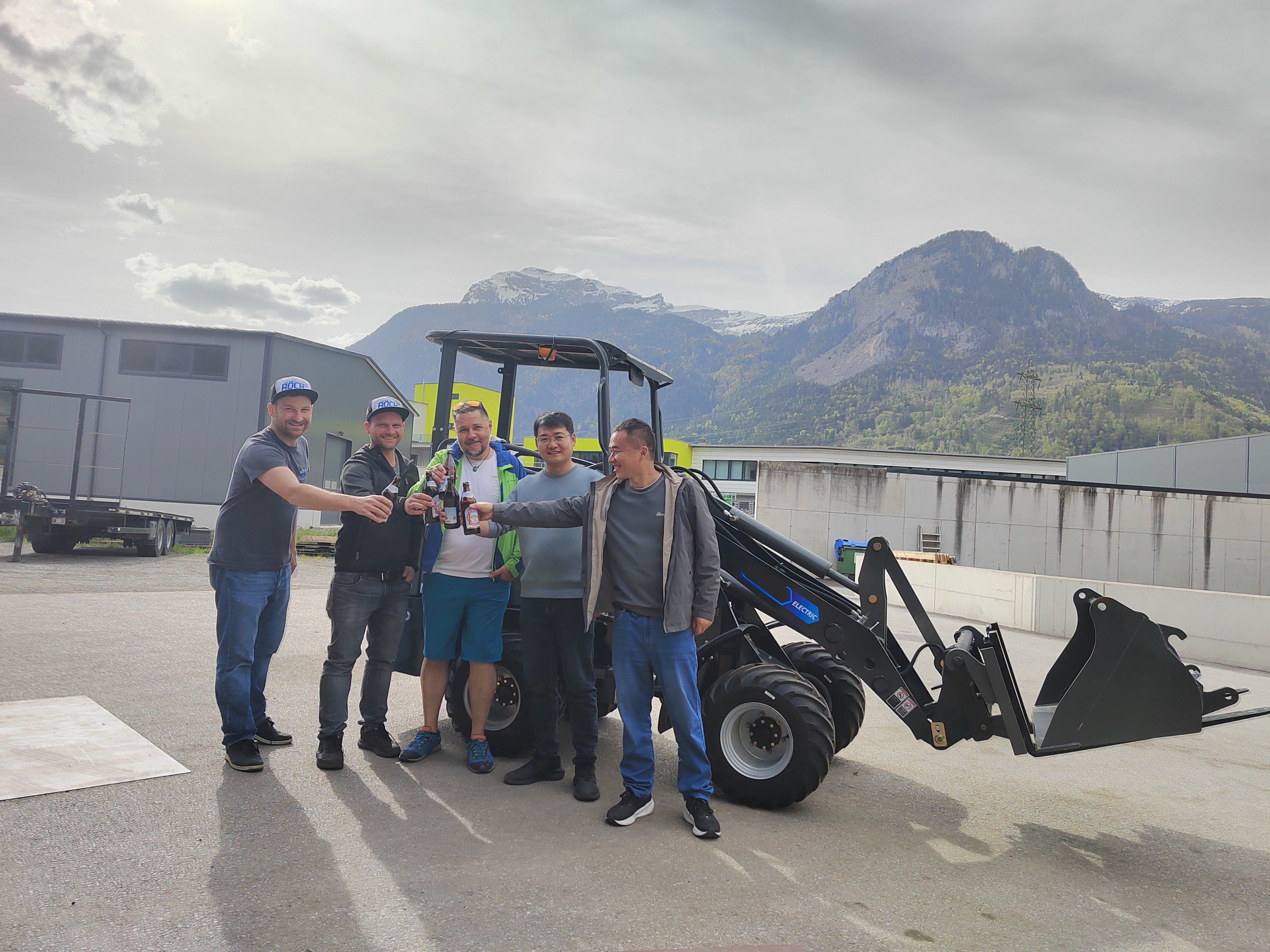
Megbízható AOLITE Európában
2024-05-08
-
INTERMAT 2024, Nemzetközi Építőgép- és Építőanyag gépkiállítás Párizsban, Franciaországban
2024-04-26
-
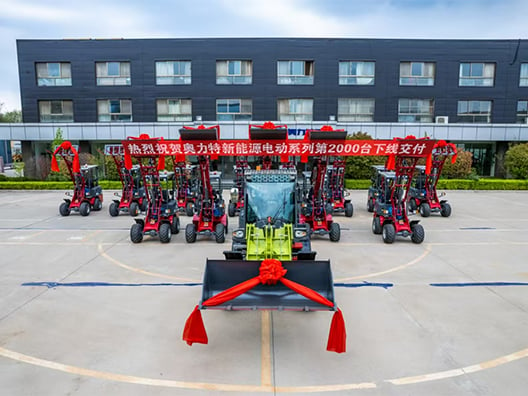
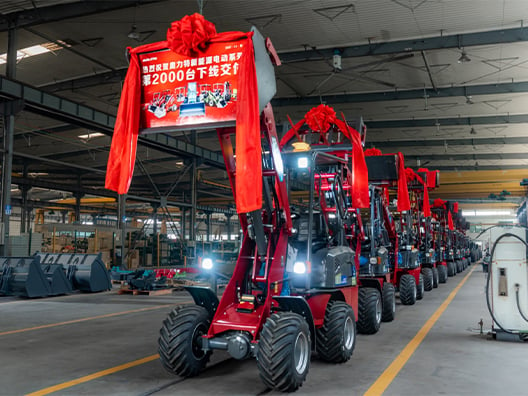
Az AOLITE Új Energiás Elektromos Betöltőgép 2000. egysége elhagyta a gyártó sorokat és kézbesítésre került: Tekintsd át, jelentés és jövőkép
2024-04-25
-
AOLITE Elektromos Betöltő Mérföldkő: A 2000. offline kézbesítés
2024-04-25
-
AOLITE 2024 új érkezés ETL600 elektrikus teleszkópos mini betöltő, új energia hatékony négypuffajtos teleszkópos betöltő
2024-02-19
-
AOLITE hátsó betöltőgépei hivatalosan beléptek az európai piacokra EU V. szintű motortal
2024-06-27
 Konzultál