
Five Critical Factors First-Time Buyers Often Overlook When Purchasing a Mini Excavator
Mini excavators have seen rapidly growing demand in recent years across landscaping, orchard maintenance, municipal engineering, and indoor construction applications. As more first-time buyers enter the market, industry experience shows that avoidable mistakes remain common—such as machines being unable to enter job sites, incompatible attachments, or long downtime waiting for spare parts after breakdowns.
These issues are rarely related to machine quality alone. In most cases, they result from incomplete evaluation during the selection process.
Below are five key factors that significantly impact usability, efficiency, and total cost of ownership.
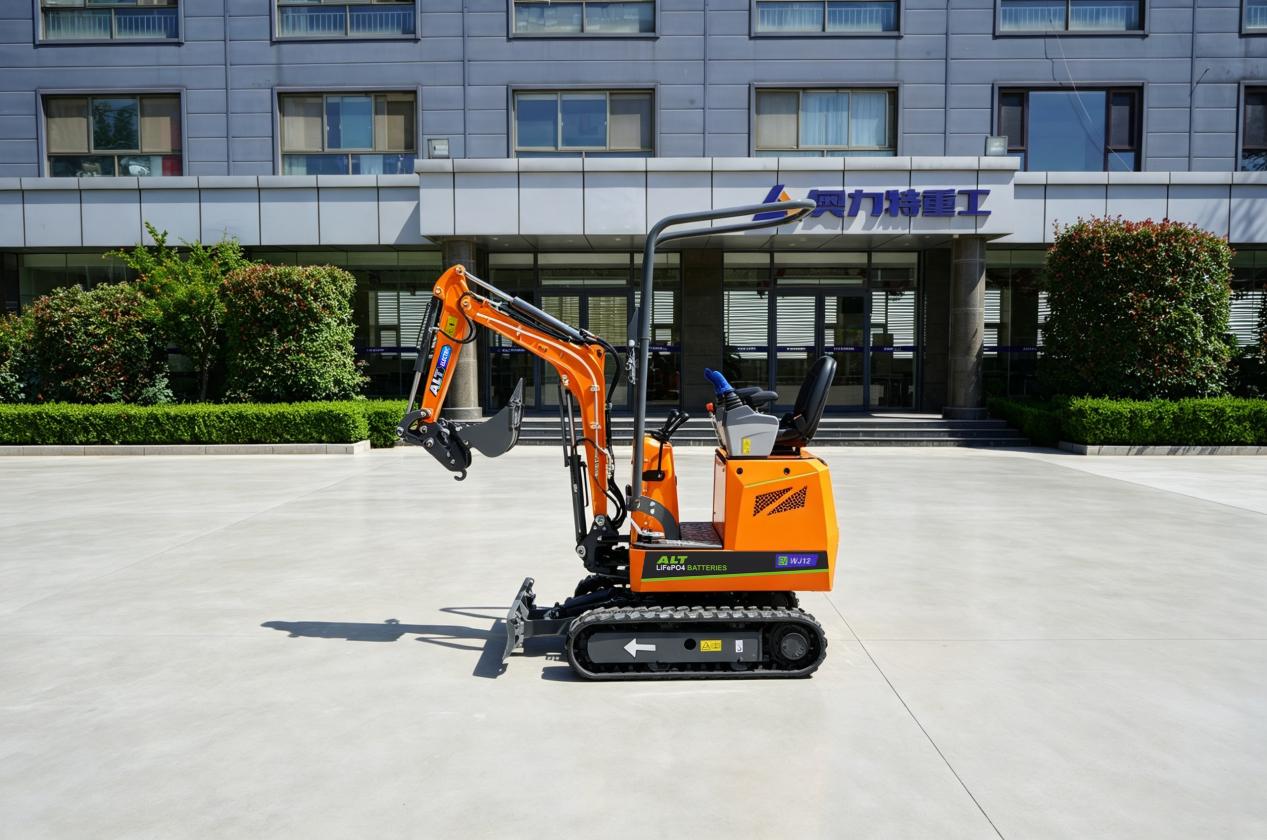
1. Jobsite Compatibility Should Be Evaluated Before Tonnage or Price
One of the most common mistakes among first-time buyers is prioritizing budget and tonnage while ignoring physical site constraints.
In real-world applications, even a 10 cm mismatch in access width can prevent a machine from entering the site. In orchards or narrow working corridors, insufficient turning space may make operation impossible. These issues often lead to project delays or unnecessary resale losses.
A correct selection approach should always begin with measuring the narrowest access point of the jobsite:
· Below 1.0 m working space: ultra-compact models (≤750 mm machine width)
· 1.0–1.5 m environments (courtyards, orchards): 990–1050 mm transport width range
· Above 1.5 m with heavier workloads: higher-tonnage machines with greater digging force
Machine width and transport dimensions should always be verified against real site conditions before selecting tonnage.
2. Zero Tail Swing Vs Conventional Tail Swing
There is a common misconception that smaller excavators can automatically operate safely close to walls or obstacles. In fact, zero tail swing and conventional tail swing configurations are fundamentally different.
On conventional mini excavators, the rear structure extends beyond the track width during rotation. When working near walls, fences, or trees, this requires constant operator attention and increases safety risk.
Zero tail swing designs ensure that the upper structure remains within the track width during 360° rotation. This enables safe and efficient operation in confined environments.
Typical applications include:
· Enclosed residential or courtyard renovation
· Indoor demolition and construction with narrow access points
· Orchard operations with limited tree spacing
When the working environment involves close proximity to fixed obstacles, zero tail swing becomes a critical selection requirement rather than an optional feature.
3. Hydraulic System Architecture Directly Impacts Efficiency and Precision
While engine power is often the first specification considered, the hydraulic system plays a far more important role in real operating performance.
Mini excavators generally use two main hydraulic architectures:
Fixed Displacement Systems
These systems deliver constant flow regardless of load demand. Excess hydraulic energy is released through relief valves, generating heat and increasing fuel consumption. This also results in less smooth multi-function coordination.
Load-Sensing Hydraulic Systems
Load-sensing systems dynamically adjust pump flow and pressure based on real-time operating demand.
This allows:
· Reduced fuel consumption during light-duty work
· Instant peak output under heavy load conditions
· Linear joystick-to-attachment response
· Higher precision in grading and fine finishing work
For applications such as landscaping, slope shaping, and municipal maintenance, load-sensing systems provide a clear advantage in controllability and efficiency.
4. Attachment Compatibility Determines the True Capability of a Machine
In practice, mini excavators are multi-functional platforms rather than single-purpose machines. Common jobsite tasks include trenching, drilling, material handling, light demolition, and drainage maintenance.
Without proper attachment planning, users often rely on rental equipment for different tasks, significantly increasing long-term operating costs.
A quick coupler system is the foundation of attachment versatility. Without it, changing attachments requires manual bolt removal, resulting in downtime and labor inefficiency. With a quick coupler, attachments can be changed within minutes by a single operator.
A practical configuration typically includes:
· Hydraulic breaker for demolition and municipal maintenance
· Auger for orchard and foundation drilling
· Thumb/grapple for material handling
· Ditch cleaning bucket for irrigation and drainage
Modern manufacturers such as AOLITE provide a comprehensive attachment ecosystem covering breaking, drilling, grabbing, and cleaning applications, enabling users to adapt machines to multiple working scenarios.
5. After-Sales Response Capability Is a Key Component of Total Cost of Ownership
While purchase price is often the primary focus, after-sales support and spare parts availability have a greater long-term impact on operating cost.
Under continuous heavy-duty use, equipment downtime is inevitable. The critical factor is not whether issues occur, but how quickly the machine can return to service.
Three key evaluation indicators include:
· Service network coverage
· Availability of common spare parts
· First-response time from service teams
In peak working seasons, even one day of downtime may exceed the value of initial purchase savings. For agricultural and municipal projects with limited working windows, delays can have significant financial impact.
A practical evaluation method is to contact the supplier’s after-sales service as a potential customer to assess responsiveness and spare parts readiness. This often provides a more realistic understanding than formal documentation alone.
Electric Mini Excavators and Industry Trends
With increasing global emphasis on low-emission construction environments, electric mini excavators are gaining rapid adoption.
Key advantages include:
· Zero emissions, suitable for indoor and restricted environments
· Improved hydraulic response for enhanced control precision
· Lower operating energy costs compared to diesel equivalents
The primary adoption factor remains charging infrastructure availability. In response, mobile power supply solutions are increasingly being used to support field operations of electric compact equipment.
International Compliance and Certification Requirements
Export markets typically require compliance with regional standards:
· Europe: CE certification and Machinery Directive compliance
· North America: EPA / CARB emission standards
· Australia: AS/NZS safety standards
Before procurement, buyers should confirm whether manufacturers can provide complete certification documentation for the target market, as well as localized operation and maintenance manuals.
In addition, verification of internationally recognized certifications such as CE and ISO 9001 is an important indicator of manufacturing quality and system reliability.
AOLITE maintains a robust global compliance system and provides full certification support for different export markets.
This ensures reliable performance and compliance across a wide range of international applications.
Recommended News
Hot News
-
Trusted AOLITE in Europe
2024-05-08
-
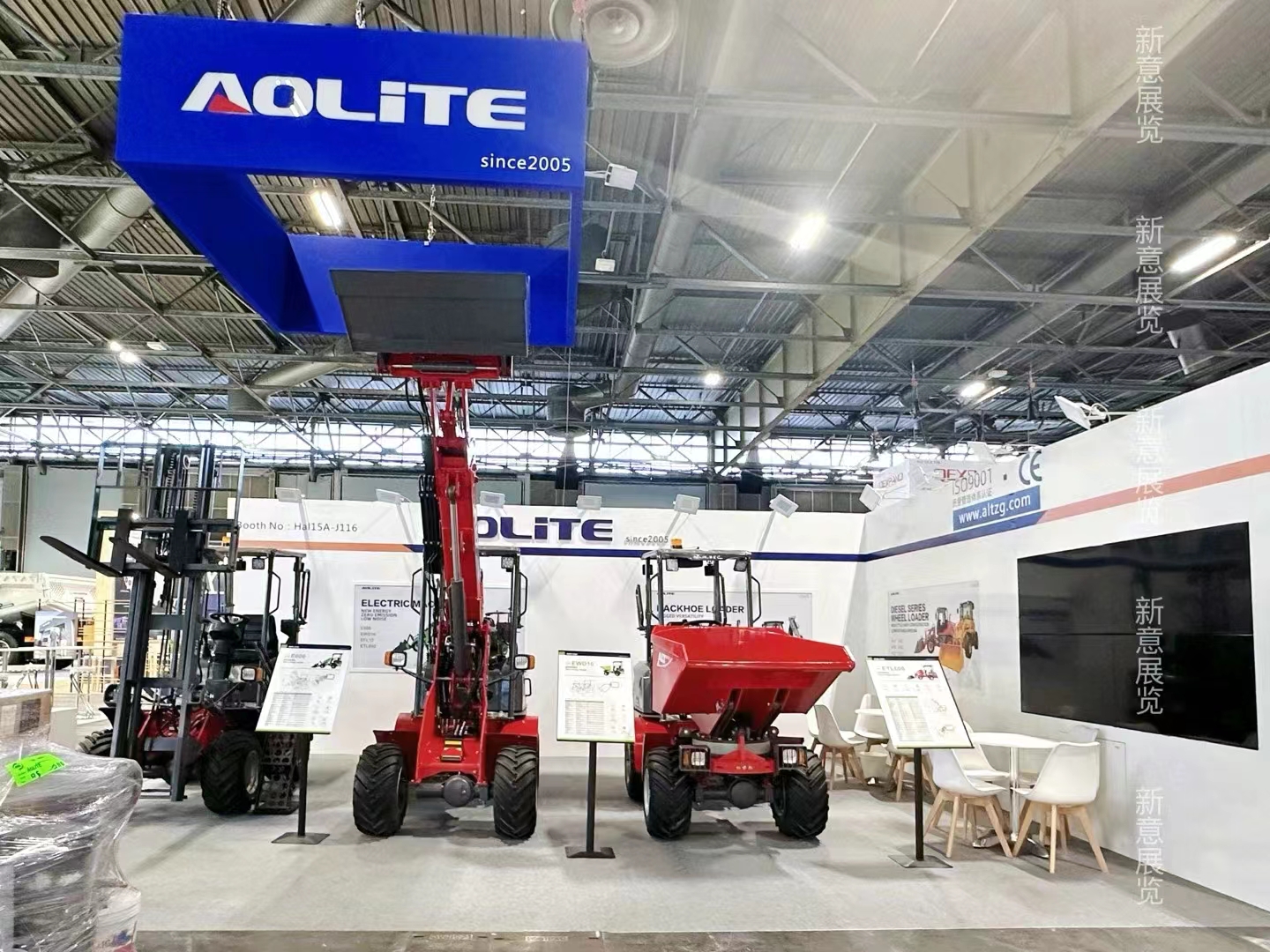
INTERMAT 2024, International Construction Machinery and Building Materials Machinery Expo in Paris, France
2024-04-26
-
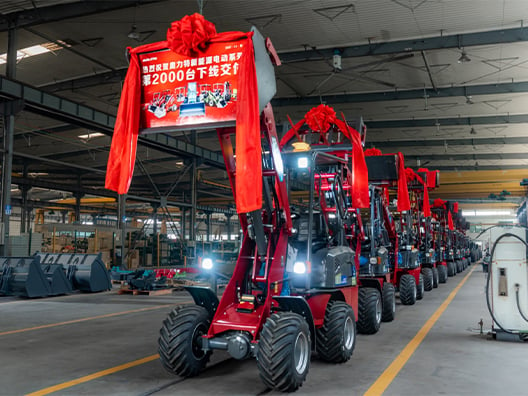
The 2000th unit of AOLITE New Energy Electric Loader rolled off the production line and delivered: Review, current situation and prospects
2024-04-25
-
AOLITE Electric Loader Milestone: The 2000 th off-line delivery
2024-04-25
-
AOLITE 2024 new arrival ETL600 eletric telescopic mini loader,new energy high efficiency four wheel drive telescopic loader
2024-02-19
-
AOLITE backhoe loaders official enter European markets with EU stage V engine
2024-06-27
 Consult