
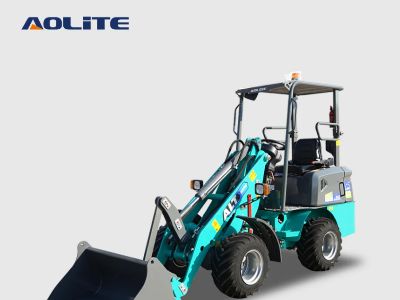
Switching to a Yingnuo Heavy-made ALT electric loader can significantly impact your operational costs, especially when evaluating lifetime savings. As a prospective buyer, understanding the financial implications and practical considerations will help you make an informed decision. This article will explore how to calculate lifetime savings when switching to an ALT electric loader, along with insights on supplier reliability, cost factors, common problems, installation guidance, and comparisons with traditional diesel models
Where to Find Reliable Suppliers for ALT Electric Loaders
Finding reliable suppliers for Yingnuo Heavy-made ALT electric loader involves thorough research and evaluation. Start by identifying manufacturers with a strong reputation in the industry, such as Qingzhou Yingnuo Heavy Industry Co., Ltd., known for producing AOLITE brand loaders. Key factors to consider when searching for suppliers include:
Industry Experience: Look for suppliers with extensive experience in manufacturing electric loaders. Companies like Qingzhou Yingnuo Heavy Industry have established themselves in the market, ensuring reliability and quality
Facility and Equipment: Assess the supplier’s production capabilities. A modern facility equipped with advanced CNC and robotic welding technology is crucial for high-quality production. This enhances consistency and minimizes defects
Customer Reviews and Testimonials: Investigate feedback from previous customers. Positive reviews can provide insight into the supplier's reliability, customer service, and product performance
Certifications and Compliance: Ensure that the supplier adheres to industry standards and holds relevant certifications. This can serve as an assurance of their commitment to quality
Post-sale Support: Evaluate the level of support provided after the sale. A reliable supplier will offer assistance with installation, maintenance, and troubleshooting
Cost Factors When Switching to an ALT Electric Loader
Switching to an ALT electric loaders made by Yingnuo Heavy involves various cost factors that can significantly affect your overall savings. These include:
Initial Purchase Price: The upfront cost of an electric loader may be higher than that of a traditional diesel model. However, it's essential to consider the long-term savings associated with lower fuel and maintenance costs
Operating Costs: Electric loaders generally have lower operating costs due to reduced fuel consumption and fewer moving parts, which means less frequent repairs. Calculate the cost per hour of operation, factoring in electricity prices compared to diesel fuel
Maintenance Costs: Evaluate the maintenance requirements of electric loaders. They typically require less maintenance than diesel models, which can lead to significant savings over time
Tax Incentives and Rebates: Investigate any available government incentives for purchasing electric vehicles. These can help offset the initial purchase price and improve your return on investment
Resale Value: Consider the resale value of electric loaders, as demand for electric machinery is increasing. This may enhance the overall cost-effectiveness of your purchase
Common Problems When Switching to Electric Loaders and Solutions
Transitioning to electric loader can present challenges, but understanding common problems and their solutions can facilitate a smoother switch:
Charging Infrastructure: One of the primary concerns is the availability of charging stations. Ensure that your operational site can support the necessary charging infrastructure. Collaborate with suppliers to assess your charging needs and explore options for on-site charging solutions
Battery Life and Performance: Electric loaders are dependent on battery performance. Select models equipped with high-capacity batteries that provide sufficient runtime for your operations. Regularly monitor battery health and establish a maintenance schedule to ensure optimal performance
Operational Training: Employees may require training to operate electric loaders effectively. Provide comprehensive training sessions to familiarize your team with the new machinery, focusing on operational best practices and safety protocols
Compatibility with Existing Equipment: Ensure that the electric loader is compatible with your existing equipment and operational processes. Consult with suppliers to address any potential compatibility issues before making a purchase
Installation Guidance for Optimal Performance of ALT Electric Loaders
Proper installation is critical to maximize the performance of ALT electric loaders. Follow these guidelines for optimal setup:
Site Preparation: Assess the installation site to ensure it can accommodate the loader's dimensions and weight. Clear any obstructions and create a safe operating environment
Charging Station Setup: Install a dedicated charging station that meets the electric load requirements of the loader. Ensure that the charging system is properly connected to your electrical infrastructure to avoid downtime
Initial Calibration: Once installed, conduct initial calibration to ensure that all systems are functioning correctly. This includes checking the loader's hydraulic systems, electrical components, and safety features
Field Testing: Before full-scale operation, perform field tests to identify any potential issues. This step allows you to address problems early and confirm that the loader operates as expected under real-world conditions
Comparing ALT Electric Loaders to Traditional Diesel Models
When considering a switch to electric loaders, it’s essential to compare them to traditional diesel models across several parameters:
Environmental Impact: Electric loaders produce zero emissions at the point of use, making them a more environmentally friendly option compared to diesel models. This can enhance your company’s sustainability profile
Fuel Efficiency: Electric loaders have lower fuel costs due to the declining price of electricity relative to diesel fuel. Calculate the operational cost difference to understand potential savings
Noise Levels: Electric loaders operate more quietly than diesel models, contributing to a safer and more pleasant working environment. This can be particularly beneficial in urban or noise-sensitive areas
Performance and Power: While diesel loaders may offer more power in some heavy-duty applications, many electric models are designed to deliver comparable performance. Evaluate the specific requirements of your operations to determine suitability
Maintenance Requirements: Electric loaders generally require less maintenance than diesel models, which have complex engine components. This can lead to lower long-term operational costs
By considering these factors, buyers can better assess the advantages of switching to ALT electric loaders and gauge potential lifetime savings. Understanding the nuances of electric versus diesel loaders will ultimately empower you to make a more informed purchasing decision
Table of Contents
- Where to Find Reliable Suppliers for ALT Electric Loaders
- Cost Factors When Switching to an ALT Electric Loader
- Common Problems When Switching to Electric Loaders and Solutions
- Installation Guidance for Optimal Performance of ALT Electric Loaders
- Comparing ALT Electric Loaders to Traditional Diesel Models
 Consult