
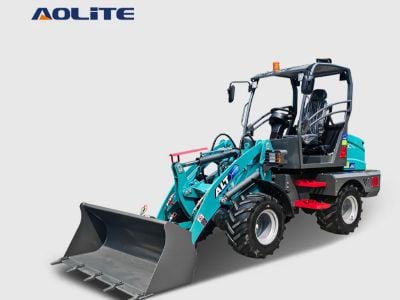
Choosing the right compact electric wheel loader can significantly impact your operational efficiency and cost-effectiveness. This article, focused on what buyers should compare before choosing a compact electric wheel loader for sale, addresses critical specifications, quality evaluations, and supplier considerations. By understanding these factors, purchasing managers and engineers can make informed decisions that align with their specific operational requirements and budget constraints.
What Specifications Should You Compare in Compact Electric Wheel Loaders?
When selecting a compact electric wheel loader, key specifications to compare include:
Payload Capacity: This refers to the maximum weight the loader can handle. It’s essential to choose a model that meets your typical operational demands without exceeding capacity limits, which can lead to mechanical failures.
Battery Life and Charging Time: Since these loaders are electric, understanding the battery specifications is crucial. Compare the battery capacity (measured in kWh) and the average runtime per charge to ensure it aligns with your work schedules. Additionally, assess the charging time and infrastructure needed to support efficient operations.
Dimensions and Maneuverability: Compact loaders vary in size, affecting their ability to navigate tight spaces. Analyze the mini loader width, height, and turning radius to ensure it fits your operational environment.
Hydraulic System Specifications: Review the hydraulic lifting capacity and flow rates. A robust hydraulic system enhances performance in material handling and increases the versatility of attachments.
Drive System: Some loaders offer all-wheel drive for better traction, which is particularly important in uneven terrains. Evaluate the drive system's efficiency to ensure optimal performance in your specific application.
Understanding these specifications will help ensure that the loader you choose is well-suited for your operational needs and can handle the tasks you require.
How to Evaluate the Quality of Compact Electric Wheel Loaders for Sale
Evaluating the quality of compact electric wheel loaders involves scrutinizing several key aspects:
Manufacturing Standards: Check if the manufacturer adheres to international quality standards such as ISO 9001. This certificate indicates a commitment to consistent quality management systems.
Material Quality: The choice of materials affects durability and performance. High-quality steel or aluminum components typically offer better longevity and resistance to wear.
Quality Control Processes: Inquire about the manufacturer’s quality control processes during production. A thorough QC process, including inspections at various stages of production, can prevent defects and ensure reliability.
User Reviews and Case Studies: Seek feedback from existing users and case studies that demonstrate the loader's performance in real-world applications. This insight can reveal potential issues or advantages that specifications alone may not convey.
After-Sales Support: Quality isn’t just about the product itself; it also includes the level of support you can expect post-purchase. Evaluate warranty terms and the availability of spare parts and service options.
By conducting a comprehensive evaluation, you can ensure that the compact electric wheel loader machine you choose will perform reliably and meet your long-term operational goals.
Key Factors to Consider When Choosing a Supplier for Loaders
Selecting the right supplier for your compact electric wheel loader is as crucial as choosing the right model. Key factors to consider include:
Reputation and Experience: Look for suppliers with a strong track record in the industry. Established suppliers are often better equipped to handle inquiries and provide reliable products.
Production Capabilities: Verify the supplier's manufacturing capabilities, including their facility size, technology (like CNC and robotic welding), and production capacity. This ensures they can meet your volume requirements without compromising quality.
Customization Options: Depending on your specific application, you may need custom features or attachments. Ensure the supplier is willing to accommodate customization requests.
Lead Times and Delivery Reliability: Inquire about typical lead times for orders and the supplier's track record for on-time delivery. Delays can disrupt your operations, so reliability is crucial.
Communication and Support: Assess the supplier's responsiveness and willingness to provide information. Good communication is essential for a smooth purchasing process and ongoing support.
By considering these factors, you can select a supplier that aligns with your operational needs and enhances your purchasing experience.
Cost Factors to Assess When Purchasing Electric Wheel Loaders in Bulk
Understanding the cost factors associated with purchasing compact electric wheel loaders in bulk is vital for budget management:
Unit Price: Bulk orders often lead to discounts. However, it’s essential to evaluate the base price per unit and what features are included to ensure transparency.
Shipping and Handling: Calculate shipping costs based on the delivery location and the number of units. Large orders may require special transport arrangements, affecting overall costs.
Import Duties and Taxes: If you’re sourcing from international suppliers, be aware of potential import duties and taxes that can add significantly to the total cost.
Maintenance and Operating Costs: Consider long-term operational costs, including maintenance, parts replacement, and energy consumption. A lower initial price may lead to higher overall costs if the machine requires frequent repairs or has high operating expenses.
Financing Options: Explore financing or leasing options that may be available for bulk purchases. Understanding your financing options can help manage cash flow effectively.
By assessing these cost factors, you can make a more informed decision that aligns with your budgetary constraints.
How to Compare Performance Metrics of Different Loader Models?
When comparing performance metrics of different compact electric wheel loader models, consider the following:
Lifting Capacity and Height: Check the maximum lifting capacity and height each model can achieve. This is crucial for material handling operations and affects productivity.
Travel Speed: Assess the maximum travel speed of each loader. Faster machines improve productivity, particularly in applications requiring frequent movement of materials.
Operational Efficiency: Evaluate the loader's efficiency in terms of energy consumption relative to performance. This metric helps predict long-term operational costs.
Attachment Versatility: Consider the range of compatible attachments available for each model. A loader that can accommodate various attachments can perform multiple tasks, enhancing its utility.
User Experience: Look for features that enhance operator comfort and ease of use, such as ergonomic controls and visibility. A user-friendly design can lead to better productivity and fewer operator errors.
By closely comparing these performance metrics, you can ensure that the loader you choose not only meets your immediate needs but also supports your operational goals in the long run.
Table of Contents
- What Specifications Should You Compare in Compact Electric Wheel Loaders?
- How to Evaluate the Quality of Compact Electric Wheel Loaders for Sale
- Key Factors to Consider When Choosing a Supplier for Loaders
- Cost Factors to Assess When Purchasing Electric Wheel Loaders in Bulk
- How to Compare Performance Metrics of Different Loader Models?
 Consult