
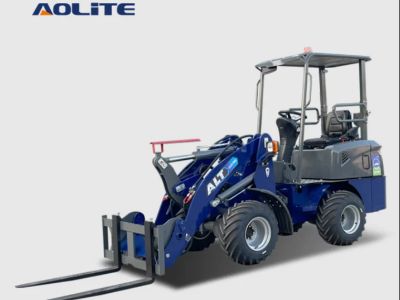
When considering the development of a private label range, sourcing reliable compact wheel loaders is critical for manufacturers and distributors. Compact wheel loaders are versatile machines used in various industries, from construction to agriculture. Buyers often have concerns about quality, performance, and customization options. This article will guide you through essential specifications, sourcing strategies, common issues, and tips for efficiently acquiring compact wheel loader machinery, ensuring that you make informed purchasing decisions.
Key Specifications to Evaluate When Sourcing Compact Wheel Loaders
Understanding the specifications of compact wheel loaders is essential for ensuring that the equipment meets your operational needs. Key specifications to consider include:
Operating Weight: This affects the loader's stability and lifting capacity. Ensure that the weight aligns with the intended use, as heavier models may perform better in rugged terrains.
Engine Power: Measured in horsepower, it determines the loader’s ability to handle various tasks. Evaluate if the engine type (diesel or electric) aligns with your environmental policies and power requirements.
Load Capacity: This indicates the maximum weight the loader can safely lift. It's crucial to match this with the expected load types and weights your operations will handle.
Bucket Size and Type: The bucket's dimensions and type (general-purpose, high-tip, etc.) can significantly impact productivity. Verify that the bucket size is suitable for your typical job sites.
Hydraulic System: A strong hydraulic system enhances lifting and digging performance. Look for specifications that detail hydraulic flow rates and pressure.
Dimensions: Overall dimensions affect maneuverability and transportability. Ensure that the loader can navigate the spaces where it will be used.
These specifications are pivotal in ensuring that the compact wheel loader machine you select will meet your operational requirements and perform effectively in your specific applications.
Where to Find Reliable Suppliers for Private Label Wheel Loaders?
Finding trustworthy suppliers is a vital step in building a private label range of compact wheel loaders. Start by exploring:
Industry Trade Shows: Events like CONEXPO-CON/AGG or Bauma provide opportunities to meet manufacturers and view their products firsthand. Networking at these events can help identify reliable suppliers.
Online Marketplaces: Platforms like Alibaba or Made-in-China can connect you with manufacturers. However, it’s essential to conduct thorough due diligence by checking supplier ratings, customer reviews, and requesting samples.
Industry Directories: Websites list vetted manufacturers. These directories allow you to filter suppliers by product type and region.
Referrals from Industry Peers: Reach out to colleagues or industry associations for recommendations. Peer feedback can provide insights into supplier reliability and product performance.
Manufacturer Websites: Companies like Qingzhou Yingnuo Heavy Industry Co., Ltd. often showcase their products and capabilities online. Directly contacting manufacturers can lead to discussions about customization and private labeling options.
By leveraging these resources, you can identify suppliers that align with your quality standards and business needs.
Common Problems with Compact Wheel Loaders and Their Solutions
While compact wheel loaders are robust machines, they can encounter common issues that may affect performance. Understanding these problems and their solutions can save time and costs:
Hydraulic Failures: Issues such as leaks or loss of pressure can hinder operation. Regular maintenance checks and using high-quality hydraulic fluids can prevent these failures.
Engine Problems: Common signs include reduced power or difficulty starting. Regular servicing, including oil changes and filter replacements, can help maintain engine health.
Electrical Issues: Problems can arise from faulty wiring or battery failures. Ensuring that electrical connections are secure and conducting routine inspections can mitigate these issues.
Wear and Tear: Components such as tires, bucket edges, and hydraulic hoses wear down over time. Establishing a preventive maintenance schedule will help identify and replace worn components before they lead to more significant problems.
Being proactive about maintenance and understanding common issues can enhance the longevity and reliability of your compact wheel loader.
Tips for Sourcing Compact Wheel Loaders Efficiently
Efficient sourcing of compact wheel loaders can significantly impact your bottom line. Here are several actionable tips to streamline the process:
Define Your Specifications Clearly: Before reaching out to suppliers, ensure that you have a clear understanding of the specifications you need. This will help suppliers provide more accurate quotes.
Request Multiple Quotes: Obtain quotes from several suppliers to compare pricing and terms. This also gives you leverage in negotiations.
Check for Customization Options: Discuss specific needs with suppliers, such as unique branding or modifications to the loader. Understanding what customization is available can help tailor the product to your market.
Evaluate Production Lead Times: Knowing the typical production times can aid in planning. Ask suppliers about their capacity and lead times, especially if you have tight deadlines.
Assess After-Sales Support: Ensure that the supplier offers robust after-sales support, including maintenance services and spare parts availability. This can greatly enhance your operational efficiency.
By following these tips, you can streamline your sourcing process, ensuring that you acquire the best compact wheel loaders for your private label range.
What to Look for in Compact Wheel Loaders?
When assessing compact wheel loaders, several factors should be prioritized to ensure optimal performance and suitability for your operations:
Quality of Materials: Inspect the materials used in the loader's construction. High-quality steel and components can enhance durability and performance.
Manufacturing Capabilities: Understanding the manufacturing process can provide insight into product quality. Look for suppliers that use advanced technology, such as CNC machining and robotic welding, to ensure precision.
Certifications: Verify if the manufacturer holds relevant certifications, which can indicate adherence to quality standards. Certifications like ISO 9001 signal a commitment to quality management.
Customization Options: Evaluate whether the manufacturer can accommodate specific requests for modifications, such as different attachments or branding options.
User-Friendliness: Consider intuitive controls and ease of operation. A user-friendly loader can reduce training time and improve efficiency on job sites.
Resale Value: Assess the brand reputation and resale value of the loaders. Well-regarded brands often maintain higher resale values, which is an important consideration for long-term investment.
By focusing on these aspects, you can select compact wheel loaders that not only meet your immediate needs but also provide long-term value for your private label range.
 Consult